

Speculation is rife about potential U.S. military intervention in Venezuela and the handover of Venezuelan oil to the U.S., with concerns also raised about a possible invasion of Colombia. This surge in conjecture follows the recent U.S. military action in Venezuela that led to the ousting of President Nicolás Maduro.
The uptick in activity on prediction markets, where users can wager on a wide range of events, has brought these platforms into the spotlight. These markets have rapidly evolved from small startups to major players in the industry in recent times, attracting significant sums of money.
So, how do prediction markets operate, and what are the regulations governing them? Here’s a breakdown of the key details.
How Prediction Markets Function
Typically, prediction markets offer binary bets, allowing users to wager on outcomes such as yes/no or higher/lower scenarios. Platforms like Polymarket enable users to bet on diverse events, from the fate of movie nominations to geopolitical developments or weather forecasts.
Tarek Mansour, CEO of Kalshi, expressed a vision to convert events into tradable assets during a conference in late 2025, underscoring the market’s goal to monetize differences in opinions.
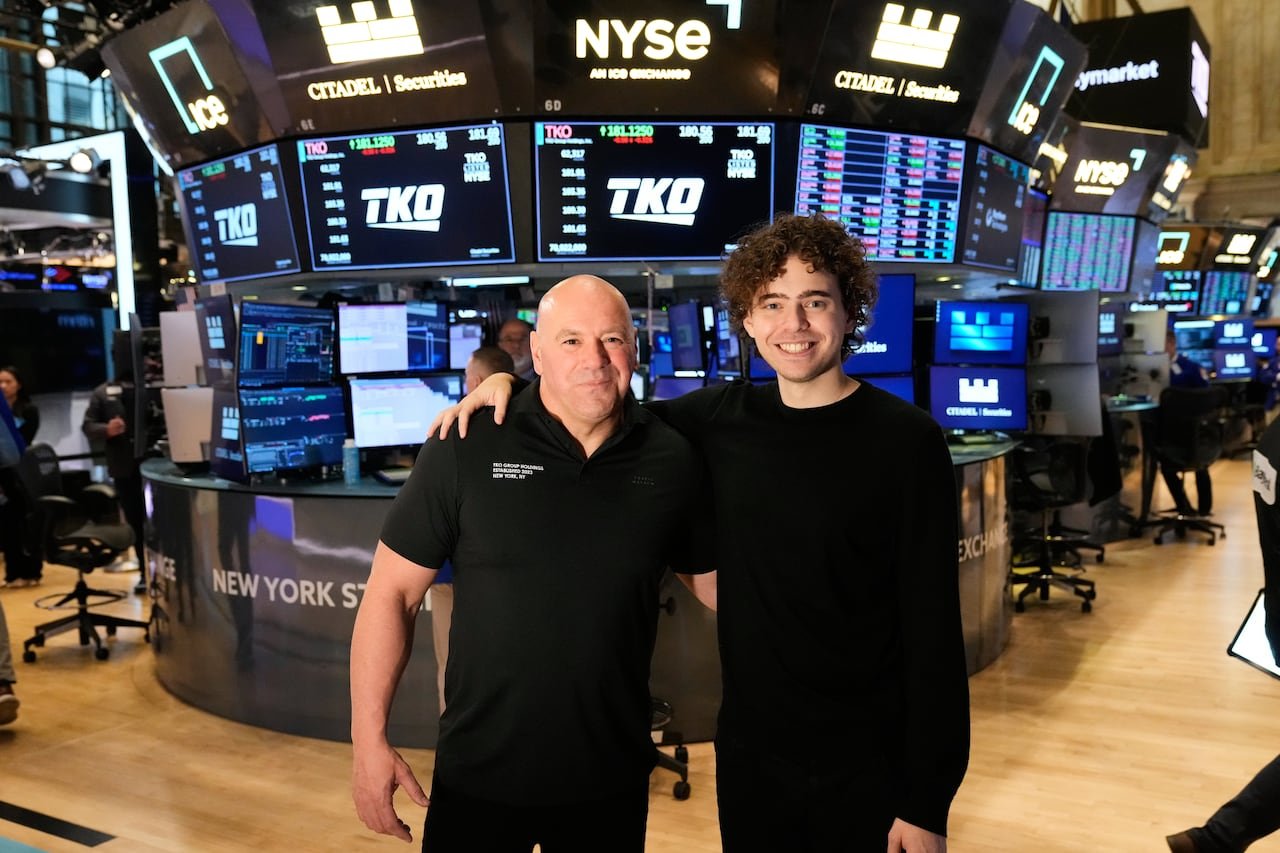
Leading prediction market platforms like Polymarket and Kalshi have witnessed a substantial surge in transaction volumes. According to a report by Keyrock and Dune, the monthly betting value on the top five prediction markets has skyrocketed from $100 million US in early 2024 to over $13 billion US.
Is it Gambling, Financial Trading, or News?
Unlike traditional sports betting platforms, prediction markets do not have a central authority known as the “house.” Dustin Gouker, a gaming analyst specializing in prediction markets, highlighted this distinction, noting that users bet against each other in these markets, unlike sports betting sites where the house serves as the counterparty.
Prediction markets generate revenue through transaction fees, as explained by Kalshi spokesperson Elisabeth Diana in a communication with CBC News.

Despite these distinctions, Gouker emphasized that functionally, both activities involve people betting against each other, implying that the nature of the activity remains similar.
Moreover, prediction markets claim to offer news value by reflecting public sentiment and available information, a concept known as the “wisdom of crowds.” Major news outlets like CNN, CNBC, and Dow Jones have leveraged partnerships with prediction market platforms to incorporate this data into their programming.
Regarding regulation, prediction markets are treated as financial products and fall under the jurisdiction of the Commodity Futures Trading Commission (CFTC) in the United States.
Controversy Surrounding Insider Information
A recent lucrative bet on the ousting of Maduro in Venezuela has raised concerns about potential insider trading. An anonymous bettor staked over $30,000 US on Maduro’s removal by the end of January, just before the military intervention, resulting in a payout exceeding $400,000 US.

