
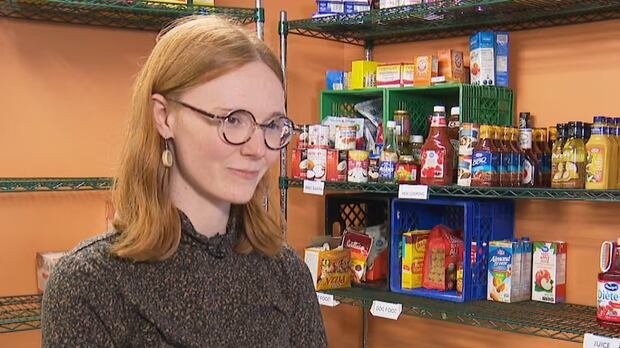
Food bank usage remains stable in Newfoundland and Labrador after a surge in 2024, with potential for more government assistance, according to a food bank director. Lesley Burgess, the executive director of Bridges to Hope in St. John’s, mentioned that approximately 1,500 individuals visit the facility monthly, showing a slight increase compared to previous periods.
Burgess emphasized the growing difficulty families face in meeting basic needs, citing escalating housing and food expenses as primary factors for seeking food bank support. Notably, the food bank has witnessed a rise in young families with children seeking assistance, with a 70% increase in usage since 2019.
In Corner Brook, the Food Bank Network of the Bay of Islands Ministerial Association reported that around one-third of those seeking aid are children. Damian Power, Coordinator of the association, highlighted the impact of rising food costs on individuals experiencing stress and emergencies, leading them to seek assistance.
As the province prepares for the elections, all major political parties have pledged solutions to address the soaring cost of living. Burgess urged the government to focus on enhancing income levels and reducing poverty to support both individuals and food banks effectively.
Investing in food banks and the food system was emphasized as crucial to creating a robust support network for residents in need. Burgess noted that by redirecting surplus food, food banks could play a pivotal role in minimizing waste and ensuring a reliable supply chain for the province.
By bolstering the food bank network and adopting measures similar to other provincial governments, Burgess believes a more resilient and abundant food banking system can be established to aid individuals during emergencies and reduce scarcity issues.

