
Less than a week following U.S. President Donald Trump’s sudden announcement of a forthcoming summit with Russian President Vladimir Putin in Budapest, Hungary, the plans were promptly canceled, and the White House subsequently imposed sanctions on two Russian oil companies. This move by Trump reflects his fluctuating stance on the Ukraine conflict, which commenced with Russia’s invasion in February 2022.
Despite previously receiving acclaim for aiding in securing a ceasefire in Gaza, Trump seemed eager to explore if his peacemaking efforts could extend to resolving the conflict in Ukraine. However, faced with Russia’s unyielding stance and reluctance to compromise on its Ukrainian ambitions, the focus has shifted towards increasing pressure on Russia from both diplomatic and military standpoints.
Following a meeting with NATO Secretary General Mark Rutte, Trump expressed reservations about meeting Putin and expressed hope that the sanctions on Russian oil giants Rosneft and Lukoil would not be prolonged. The U.S. Treasury Secretary highlighted that the sanctions were a response to President Putin’s continued support for the ongoing conflict in Ukraine.
Efforts to organize the Budapest summit persisted from Russia’s side, with Deputy Foreign Minister Sergei Ryabkov denouncing Western media rumors. Meanwhile, diplomatic talks led by Washington appeared stalled as Russia continued its aggressive actions against Ukraine, prompting Kyiv to target Russian energy infrastructure in retaliation.
Russia’s rejection of a ceasefire proposal along the current front line led to the collapse of the Budapest summit plan, a decision supported by Trump to avoid fruitless discussions. European leaders and British Prime Minister Keir Starmer echoed calls for intensified pressure on Russia’s economy and defense industry, denouncing Russia’s delaying tactics in negotiations.
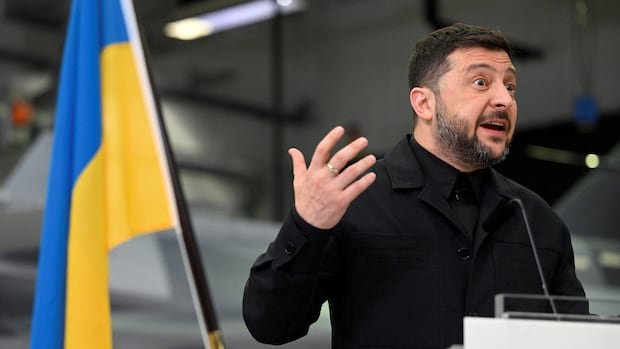
In Scandinavia, Ukrainian President Zelenskyy sought additional support from European allies following a series of Russian drone attacks on Ukraine. A deal was signed between Ukraine and Sweden for the potential purchase of up to 150 Gripen fighter jets, signaling a strategic move to bolster Ukraine’s defense capabilities.
Ukraine’s escalated strikes on Russian energy facilities, facilitated by Ukrainian-made drones, have raised concerns in Russia, leading to the deployment of reservists to safeguard critical infrastructure. The disruption in Russia’s refining capacity has caused a surge in gas prices, impacting the domestic gasoline market and prompting fears of a prolonged crisis.
The ongoing conflict and economic pressures underscore the urgent need for coordinated international efforts to compel Russia to reassess its military actions and engage constructively in resolving the Ukraine crisis.

