
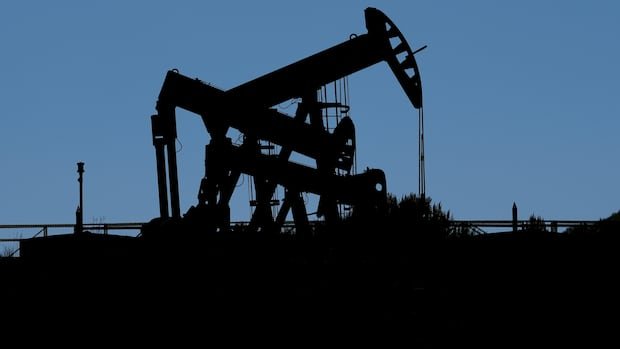
U.S. crude oil prices surged above $90 per barrel on Friday, reaching a level not seen in over two years. The West Texas Intermediate (WTI) crude, a key indicator for oil pricing in North America, closed the day slightly above $91, significantly higher than the $67 mark just a week prior. This increase follows the recent military actions initiated by the U.S. and Israel against Iran and its allies.
The escalating conflict in Iran, coupled with the looming threat of potential drone or missile attacks from the Iranian side, has led to a near-complete halt in tanker traffic via the vital Strait of Hormuz. This strategic waterway serves as the primary exit point for oil and gas shipments from countries including Saudi Arabia, Kuwait, Iraq, Qatar, Bahrain, the United Arab Emirates, and Iran, catering to approximately 20% of the global oil demand.
In response to the price surge, U.S. Energy Secretary Chris Wright expressed his expectation that the heightened prices would persist for “weeks, not months,” emphasizing the disruptive impact of the ongoing military tensions with Iran.
Gasoline prices in the U.S. have surged by an average of 34 cents per gallon in the past week, reaching $3.32, equivalent to 120 cents per liter. Similarly, in Canada, gas prices spiked to 135.3 cents per liter following the recent airstrikes, as reported by Gasbuddy.com, compared to an average of 128.8 cents a month earlier. Gas wizard, a platform monitoring gas prices nationwide, projects a further increase to nearly 153 cents per liter by Saturday.
The recent developments in the Middle East region have significantly influenced the global oil market dynamics, pushing prices to multi-year highs amid escalating geopolitical tensions.

