
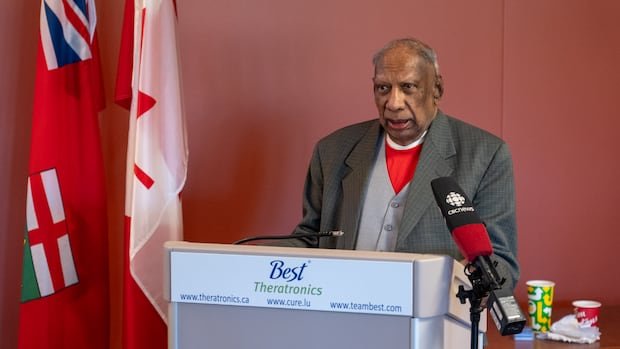
The owner of a medical manufacturing company in Ottawa admits to financial constraints preventing compliance with Canada’s nuclear regulatory requirements. Best Theratronics, a producer of cancer treatment devices utilizing Cobalt-60 isotopes, faced scrutiny from the Canadian Nuclear Safety Commission (CNSC) in November 2024. The CNSC’s directives, including the restoration of a lapsed $1.8-million financial guarantee, were prompted by safety concerns during a labor dispute at the plant.
Krishnan Suthanthiran, the company’s owner, expressed an inability to secure funds for the CNSC obligations, citing challenges in obtaining loans due to the substantial financial burden. Suthanthiran criticized the CNSC’s stringent financial terms, alleging a breach of regulatory protocols. Despite the ongoing violation of its nuclear license, Best Theratronics has yet to rectify the situation, prompting regulatory scrutiny.
The CNSC confirmed the non-compliance but withheld details on enforcement actions, signaling an ongoing regulatory evaluation. While the CNSC possesses punitive measures, including fines and license revocation, Suthanthiran’s defiance has drawn criticism from Green Party Leader Elizabeth May. She accused the CNSC of leniency towards the industry it oversees, questioning the company’s operational legitimacy.
Formerly under Atomic Energy of Canada, Best Theratronics has a legacy of pioneering cobalt-based cancer therapies before Suthanthiran’s acquisition in 2008. Suthanthiran, a Carleton University alum, faced controversy following alleged financial improprieties in a Belgian subsidiary. Amid workforce challenges and operational setbacks, Suthanthiran announced plans to shift away from nuclear-dependent manufacturing in Canada, citing recruitment difficulties and labor disputes.
With staffing shortages and operational hurdles, Best Theratronics struggles to maintain workforce levels, hindering its production capacity. Suthanthiran’s plans to downsize nuclear operations in Canada underscore the company’s tumultuous journey amidst regulatory disputes and labor unrest.

