
In 2026, echoes of turmoil in Iran resonate through global oil markets, triggering soaring gasoline prices reminiscent of the 1979 Iranian Revolution. The resultant shock to oil supply then spurred worldwide panic buying and hoarding, escalating oil demand.
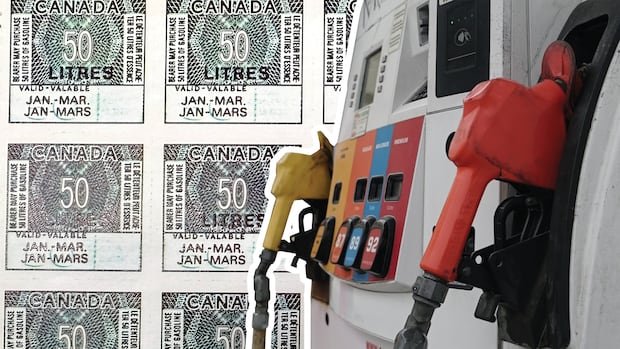
Renowned Calgary economist Peter Tertzakian recently uncovered original proofs of gasoline rationing stamps in Canada’s Natural Resources Canada archives. These stamps, entitling holders to 50 liters of gas, were prepared by the government in response to the crisis but were never circulated due to stabilized supply.
Tertzakian highlighted the potential for a national rationing system prioritizing essential services during fuel shortages, emphasizing equal access to gas through the stamps. While the stamps were never issued, their existence serves as a stark reminder of past oil crises and the potential for similar measures in the current Middle East conflict context.
Following recent hostilities in the region, global oil prices surged over $100 US per barrel, leading to a sharp rise in gasoline prices across Canada. Some nations have already implemented gas hoarding and rationing measures to curb shortages, while others urged residents to save fuel by working from home.
Reflecting on past oil crises, Tertzakian noted the heightened dependence on oil in today’s global economy. Although North America has increased self-sufficiency in oil trade with Canada, the disruption of world trade routes poses a threat to oil supply chains.
As Canadians grapple with escalating gas prices, Tertzakian suggested two scenarios where gas rationing could become a reality in Canada: a physical oil shortage or global scarcity leading to exorbitant prices. The historical context of the 1970s oil crises, marked by measures like the odd-even rationing system in the U.S., serves as a cautionary tale for the modern era.
Tertzakian emphasized the importance of long-term strategic planning for vital commodities in times of crisis, urging proactive measures to ensure equitable access and support for all. The lessons of the past underscore the need for vigilance and foresight in managing energy resources amid geopolitical uncertainties.

