
Stock prices experienced a significant decline on Thursday, while oil rates surged amidst growing uncertainty on Wall Street regarding a potential resolution to the ongoing U.S.-Iran conflict. The S&P 500 recorded a 1.7% slump, marking its worst performance since January and signaling a potential fifth consecutive week of losses. This losing streak, dating back to before the conflict commenced on February 28, could be the lengthiest in nearly four years.
The Dow Jones Industrial Average plummeted by 469 points, equivalent to a 1% drop, while the Nasdaq composite plunged by 2.4%, slipping more than 10% below its peak earlier this year. This substantial decline is commonly referred to by investors as a “correction.”
Global stock markets mirrored the downturn, with sharp declines observed in Asia and Europe. This reversal of fortunes in the financial markets followed a week that started optimistically after U.S. President Donald Trump mentioned positive discussions regarding ending the conflict. However, Iran refuted claims of ongoing direct talks and rejected a U.S. ceasefire proposal delivered through Pakistan.
Despite the hopes for a peaceful resolution, hostilities continued on Thursday, with additional U.S. troops nearing the conflict zone. Iran, on the other hand, tightened its control over the strategically vital Strait of Hormuz, potentially imposing restrictions akin to a “toll booth” for tanker vessels navigating through the narrow waterway responsible for a significant portion of global oil exports from the Persian Gulf.
The price of Brent crude oil surged by 4.8% to reach $101.89 per barrel, reflecting diminishing hopes for a swift return to normalcy in the strait. This figure represents a notable increase from the pre-conflict level of around $70. Additionally, benchmark U.S. crude saw a 4.6% rise, settling at $94.48 per barrel.
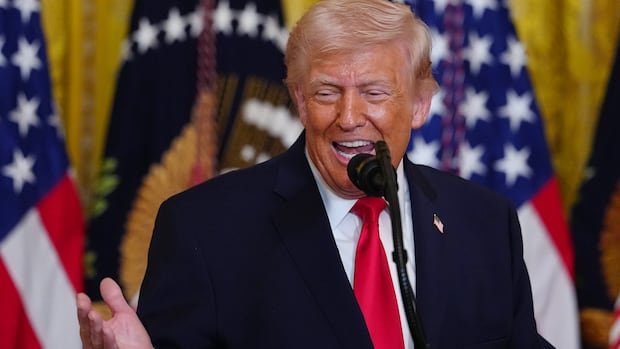
In response to ongoing developments, President Trump initially issued stern warnings to Iran’s negotiators but later softened his stance, delaying potential actions against Iranian power facilities to April 6 to allow for further dialogue. This shift in rhetoric led to a partial reversal in oil price gains, with Brent crude retreating towards $100 per barrel. Similarly, Treasury yields moderated their earlier surges in the bond market.
The spike in Treasury yields, alongside disruptions in the bond market, evoked memories of a similar scenario a year ago when Trump retracted his initial tariff threats amid market turmoil. The 10-year Treasury yield spiked to 4.43% on Thursday from 4.33% the previous day and 3.97% pre-conflict, impacting mortgage rates and other borrowing costs for U.S. consumers and businesses, potentially dampening economic activity.
On the employment front, a report indicated a slight uptick in initial jobless claims last week, though the figures remained historically low. Despite a potential slowdown in the job market, expectations for Federal Reserve interest rate cuts have waned due to concerns over inflation risks exacerbated by surging oil prices.
Tech stocks weighed heavily on Wall Street, with Meta Platforms and Alphabet witnessing significant declines following a landmark social media addiction trial verdict. Other major tech companies, including Nvidia and Amazon, also registered losses, while Apple managed a marginal uptick.
Corporate sector performance was mixed, with Commercial Metals reporting weaker-than-expected profits, attributing the shortfall to adverse weather conditions impacting North American operations. Overall, the S&P 500 closed at 6,477.16, down 7.2% from its recent peak, the Dow Jones Industrial Average at 45,960.11, and the Nasdaq composite at 21,408.08.
In international markets, Germany’s DAX, Hong Kong’s Hang Seng, and South Korea’s Kospi all recorded declines, while Japan’s Nikkei 225 experienced a relatively modest loss compared to other global indices.
Ultimately, the day’s turmoil underscored the prevailing uncertainty in financial markets amid escalating geopolitical tensions and economic repercussions, emphasizing the need for continued vigilance and strategic decision-making in the face of evolving challenges.

