
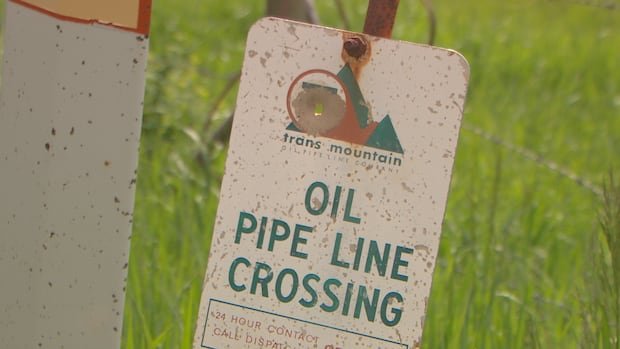
The Trans Mountain oil pipeline system is set to run at maximum capacity in April and May due to energy disruptions stemming from the Middle East conflict. Consisting of two pipelines that carry oil from Edmonton to Burnaby, B.C., the system primarily serves China and other Asian nations. These countries, facing constrained global energy supplies amid the conflict, are driving the demand surge.
This milestone of full pipeline operation is arriving sooner than expected for Trans Mountain, as they had projected reaching it in a few years. Just a year ago, the pipeline was functioning at 80 to 90 percent capacity. Trans Mountain’s CEO, Mark Maki, confirmed, “The system’s basically full.”
The recent surge in energy prices is attributed to Iran’s limitations on the Strait of Hormuz, a crucial export route for 20 percent of the world’s oil, natural gas, and other products. Maki noted that the market is adapting to the conflict, leading to a shift towards North America as a significant energy source.
Expressing high interest in Canadian oil, Asian customers favor the country and its products. Should the Middle East conflict cease, experts anticipate a gradual normalization of energy markets, with Asian nations currently facing oil and gas shortages.
Looking ahead, Trans Mountain is advancing two expansion projects to boost oil transportation capacity. The first project involves the use of drag-reducing agents to potentially increase oil movement by up to 10 percent, with construction starting in August 2022. The second, more complex expansion includes additional pumping stations, aiming for completion by 2028 to boost capacity by 360,000 barrels per day. Regulatory approval is still pending for these developments.
The current twin pipeline system can handle around 890,000 barrels per day between Alberta and the West Coast, with further expansion plans on the horizon.

