
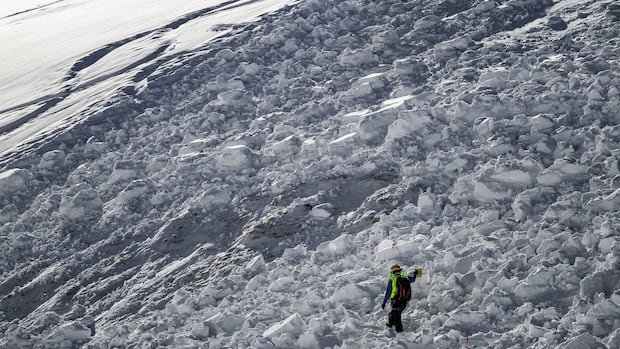
In February, there were fatal avalanche incidents in British Columbia, Alberta, California, Utah, and various European countries, resulting in a total of 125 deaths. These tragic events underscore the ongoing risks associated with backcountry activities, even for experienced individuals prepared for avalanche hazards. While experts acknowledge the challenges of predicting avalanches, they shed light on the formation process and potential impacts of climate change on avalanche conditions.
Avalanches occur when a mass of snow moves rapidly down a slope, typically triggered by a strong layer over a weak layer with added stress. The snowpack’s structure constantly evolves due to changing weather events, creating conditions that may lead to avalanches. Different types of avalanches exist, ranging from loose sluffs to cohesive slab avalanches, each with distinct triggers and dangers.
Despite advancements in avalanche science, accurately forecasting when avalanches will occur remains complex. Variations in snowpack composition over short distances pose difficulties in precise predictions. Factors like weather patterns and snowpack stability influence the likelihood of avalanches. While climate change likely affects avalanche dynamics, the exact impact is challenging to determine due to the intricate relationship between weather events and snow conditions.
Experts emphasize the importance of proper preparation, including understanding local forecasts, having the right equipment, and receiving avalanche safety training. Additionally, establishing clear group guidelines and decision-making processes can enhance safety during backcountry excursions. Ultimately, mitigating avalanche risks requires a comprehensive approach that combines knowledge, preparedness, and responsible decision-making.

