
Shelley Carr was excited when she connected with a new match on Tinder last autumn. This individual appeared well-versed in art, politics, and theater, aligning perfectly with Carr’s own interests. Eager to see if the virtual connection translated into real-life chemistry, Carr agreed to meet the person in Hamilton. However, upon seeing him step off the bus, she immediately sensed that he was not the same person she had been conversing with online. Her suspicions were confirmed when he admitted that the articulate messages were actually crafted by ChatGPT, not him.
This incident sheds light on the impact of AI on modern online dating. While some companies are embracing AI technology to enhance the user experience and combat dating app fatigue, others, especially women like Regina Hay in Toronto, are expressing concerns. Hay shared a disappointing experience where a potential date’s sudden shift in conversational tone, attributed to AI assistance, left her feeling deceived.
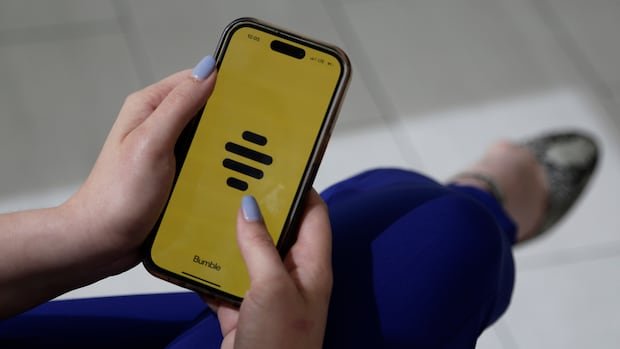
Major dating platforms are integrating AI tools into their services to offer personalized guidance, improve user profiles, and streamline the matchmaking process. While these tools may boost profile attractiveness and communication efficiency, they also introduce complexities in evaluating genuine connections. Users like Carr feel that AI-generated interactions mask authenticity and hinder the natural process of getting to know someone.
As AI continues to shape the landscape of online dating, there are mixed opinions on its implications. While some view AI as a helpful matchmaking tool that can expedite the search for compatible partners, others, like Eve Tilley-Coulson, caution that excessive reliance on AI may homogenize profiles, dampen personal connections, and detract from the essence of romantic pursuits. Amidst the evolving dating app scene, the balance between technological assistance and authentic human interaction remains a topic of debate.

