
Several iconic species are under consideration for additional protections at a global meeting in Brazil. Sharks, giant otters, hyenas, and snowy owls are among those proposed to be included in the appendices of the Convention on the Conservation of Migratory Species of Wild Animals (CMS), a United Nations environmental treaty. These species share the characteristic of not having a single permanent habitat, necessitating international cooperation to address threats like deforestation, climate change, and industrial fishing for their survival.
Elizabeth Maruma Mrema, deputy executive director of the UN Environment Programme, emphasized the interconnectedness of these species at the conference in Campo Grande, Brazil. She highlighted how their movements across continents and ecosystems link various cultures and underscore the importance of collaborative efforts for their preservation.
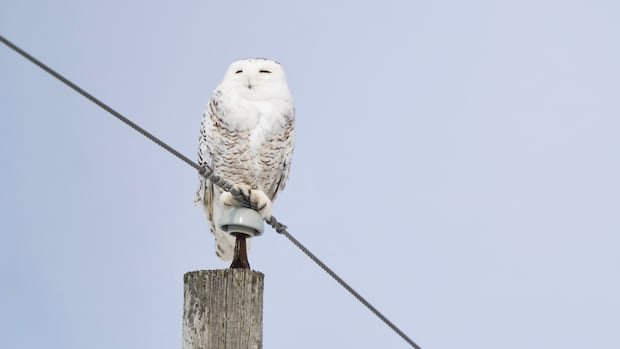
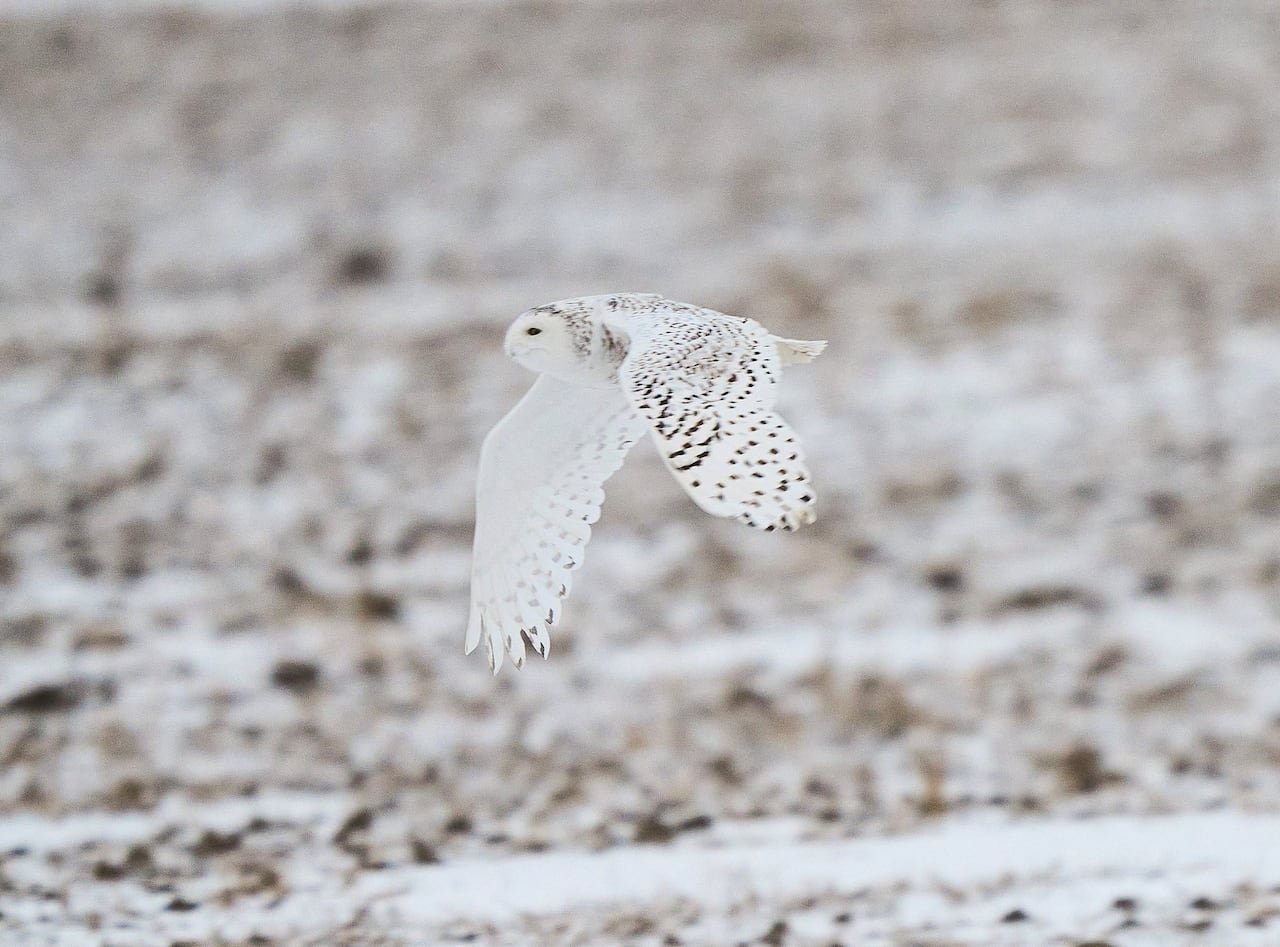
Experts interviewed by CBC News discussed the movements, threats, and potential solutions for some of these species. One such species facing challenges is the snowy owl, known for its distinctive appearance and Arctic habitat. While populations in Canada and the northern United States are still stable, regions like Sweden have declared the snowy owl regionally extinct due to factors like food scarcity.
Snowy Owls Facing Decline
According to Jean-François Therrien, a senior scientist at Hawk Mountain Sanctuary, the snowy owl’s declining numbers in certain regions are concerning. While Canada is not currently providing legal protection to the species under existing wildlife acts, efforts are underway to address its threatened status.
Norway’s proposal to include the snowy owl in Appendix II of the CMS aims to promote international cooperation for species not yet classified as endangered. Experts stress the importance of raising awareness about threats like climate change impacting the snowy owl’s prey, emphasizing the need for conservation measures.
Another species facing threats is the hammerhead shark, characterized by its unique head shape and schooling behavior. Dr. Pelayo Salinas de León, a marine ecologist, highlighted the vulnerability of hammerhead sharks to overfishing due to the high demand for their fins and cartilage in global markets.
Threatened Hammerhead Sharks
Ecuador’s proposal to list two critically endangered hammerhead shark species in CMS Appendix I seeks to enhance protection measures for these vulnerable populations. The inclusion of hammerhead sharks in this stricter category aims to facilitate conservation efforts, such as marine protected areas and sustainable fisheries management, to aid in their recovery.
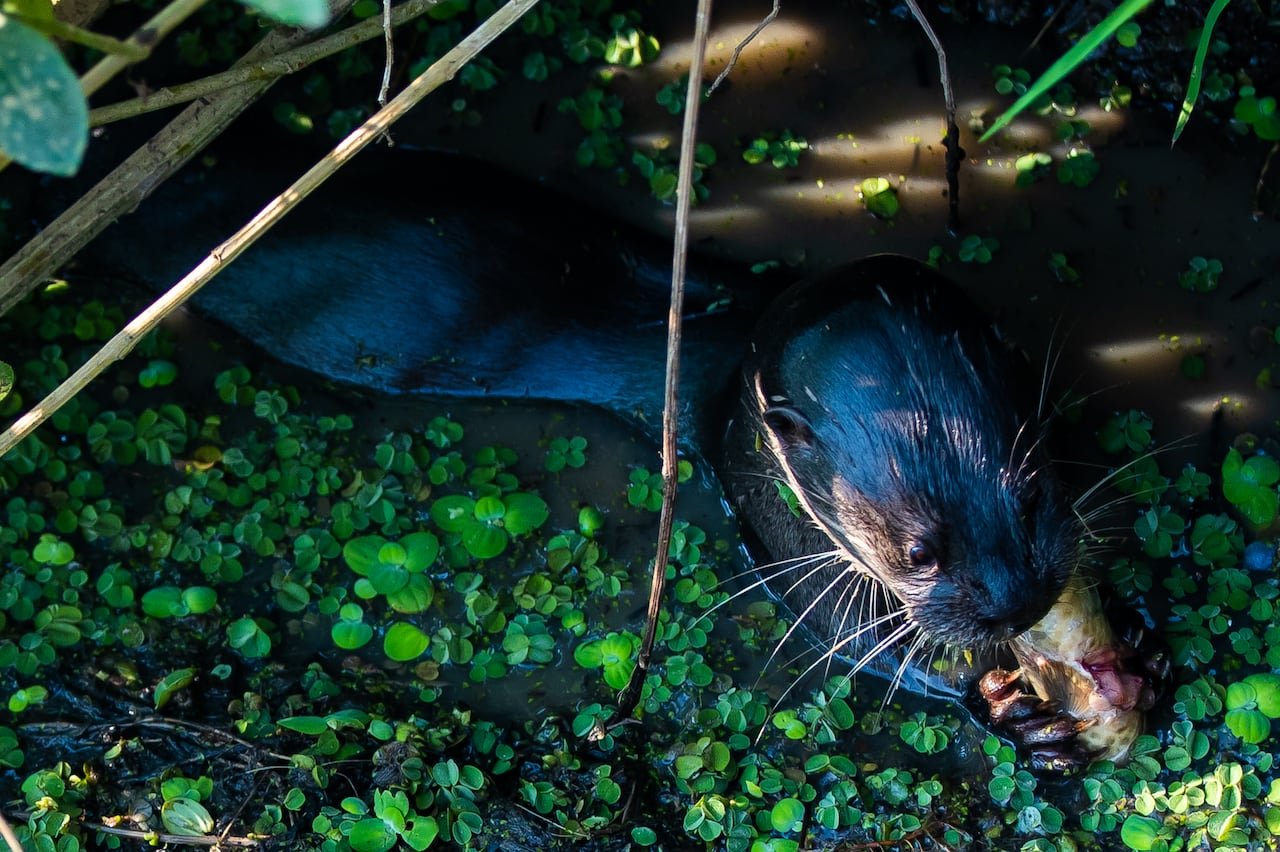
Additionally, giant otters, known as apex predators in South America, are facing habitat loss and pollution threats. These large otters play a crucial role in signaling aquatic ecosystem health, but factors like droughts and river disconnections pose significant risks to their survival.
Giant Otters at Risk
Giant otters, which migrate within South American countries sharing the Amazon basin, have already faced extinction in some regions like Argentina and Uruguay. Conservationists stress the importance of collaborative efforts among nations to protect river connections and maintain viable aquatic habitats for these species.
The ongoing conference will address proposals for 42 new migratory species, with discussions focusing on the addition of these species to the CMS appendices. The decisions made during the meeting will determine the level of protection and conservation measures for these vulnerable species.

