
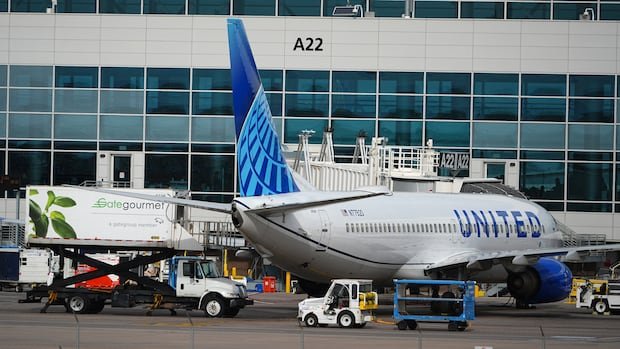
Multiple flights have been axed throughout the United States this week, with more cancellations anticipated in the upcoming days. This action is in compliance with an ordered decrease in service due to the ongoing government shutdown. The Federal Aviation Administration (FAA) is implementing a 10% reduction in air traffic to ensure travel safety amidst staffing shortages triggered by the shutdown, which commenced on October 1.
The decision to cut flights is aimed at alleviating the strain on air traffic controllers working without pay during the shutdown, many of whom have been calling in sick. The FAA expressed concerns over the growing risks and operational challenges due to delays and unpredictable staffing shortages impacting controller fatigue. In a recent official order, the agency highlighted the necessity of reducing the current volume of operations to maintain safety.
Transportation Secretary Sean Duffy, speaking at Ronald Reagan Washington National Airport, acknowledged the vital role of air traffic controllers while emphasizing the need for Democrats to end the shutdown to restore regular air travel operations.
Flight reductions are set to affect 40 major travel hubs across the U.S., including key cities like New York and Chicago. The FAA’s plan entails a gradual increase in flight cuts, starting at four percent and escalating to ten percent by November 14. However, Duffy warned that if the government shutdown persists, airlines might be compelled to slash up to 20% of flights.
The ongoing government shutdown, which began in early October due to a funding deadlock, has resulted in a myriad of disruptions. As the shutdown entered its 36th day, it broke the record for the longest-ever shutdown. The impasse stems from President Donald Trump’s refusal to negotiate with Democrats regarding health insurance subsidies, leading to the funding stalemate.
While the flight reductions only impact domestic U.S. flights, Canadian travelers may face repercussions as Canadian airlines operate numerous cross-border and connecting flights with U.S. carriers. Airlines like Air Canada, Porter Airlines, and WestJet are already implementing measures to mitigate the impact on their customers.
The duration of these flight disruptions remains uncertain and is contingent upon the resolution of the government shutdown. The FAA will continue to assess flight data and operational performance to adjust restrictions accordingly once funding is restored and system stress decreases.

