
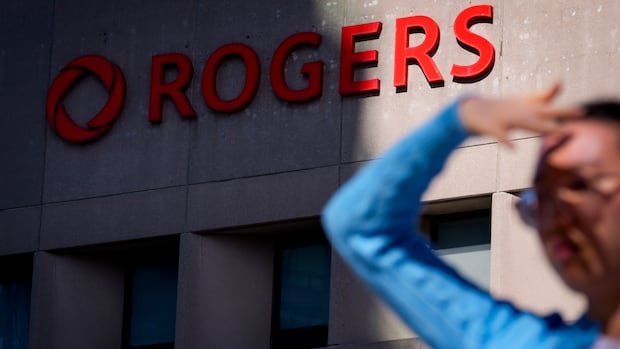
Rogers Communications Inc., a prominent player in telecommunications, media, and sports, has officially announced to CBC News its initiative to provide voluntary buyout options to approximately 10,000 qualified employees. The company emphasized the need to align its cost structure with the present business landscape, offering voluntary departure and retirement programs to allow employees to make decisions regarding their future with the company.
The exact number of employees expected to opt for the buyout offer remains undisclosed, though Rogers Communications’ 2025 annual report indicated an employee count of around 25,000. This move follows the company’s recent quarterly report outlining a 30% reduction in capital spending compared to the previous year, citing challenges posed by regulatory constraints and market competition.
Notably, the buyout opportunity is extended to various teams within the business units and corporate functions, excluding on-air talent, Sportsnet staff at Rogers Sports and Media, Toronto Blue Jays personnel, and unionized workers. Analyst Patrick Horan from Agilith Capital noted that Rogers’ decision reflects its need to address financial leverage and stagnation, particularly after its acquisition of Shaw Communications in a $26 billion deal finalized in August 2023.
The federal government approved the Rogers-Shaw merger under specific conditions, including maintaining a headquarters in Calgary for a decade and creating 3,000 new jobs in Western Canada within five years post-merger. Rogers reconfirmed compliance with these obligations in its latest annual report. To enhance cash flow, Horan stressed the importance of Rogers reducing operational expenses, with employee costs being a significant component.
Chief Financial Officer Glenn Brandt anticipates incurring restructuring costs related to reduced capital spending. Rogers’ stock closed at $49.85 on Monday, marking a 1.2% increase from Friday’s closing price. Amid these developments, Rogers customers have expressed frustration over extended wait times for customer service, with reports indicating the company’s increased reliance on AI technology for call support.

