
A recent study reveals that numerous freshwater fish species, including the dorado catfish, are facing significant threats due to habitat loss, overfishing, and obstructed migratory pathways. The dorado catfish, a large fish native to the Amazon, embarks on an extensive journey from the Amazon estuary in Brazil to the Andes Mountains in South America, spanning up to 11,000 kilometers over its lifetime.
Zeb Hogan, a biologist at the University of Nevada, led a comprehensive assessment in collaboration with the World Wildlife Fund, the Convention on the Conservation of Migratory Species of Wild Animals, and the University of Nevada. The study identified 325 migratory fish species that cross international borders and urgently require coordinated conservation efforts to avoid population decline and potential extinction.
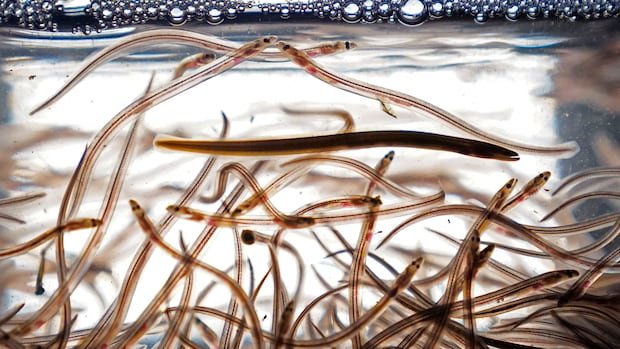
Obstacles such as dams impede the migration of species like the dorado catfish, preventing them from reaching their breeding grounds. Additionally, habitat degradation, overfishing, and land use changes threaten the survival of these species. Steven Cooke, a Canadian fisheries biologist, highlighted concerns regarding the American eel, emphasizing the importance of safeguarding its migratory routes to sustain its population.
Migratory fish play a crucial role in nutrient cycling and food security in various ecosystems. Cooke emphasized the significance of these fish for supporting communities, particularly in regions where access to food is limited. In Canada, species like salmon and eel hold cultural significance for Indigenous communities due to their iconic migrations.
Protecting migratory fish requires international cooperation and the establishment of safe passage routes along their migration paths. While some regions have shown progress in conservation efforts, challenges persist due to varying levels of political will and funding constraints. Raising awareness about the importance of these fish and their conservation needs is essential to garner support for their protection.
Recent commitments made by countries along the Amazon River to safeguard the dorado catfish at a United Nations conference signal a positive step towards conservation. Hogan expressed optimism for the future, hoping that continued collaborative efforts will lead to a more favorable outlook for migratory fish populations in the coming years.

