
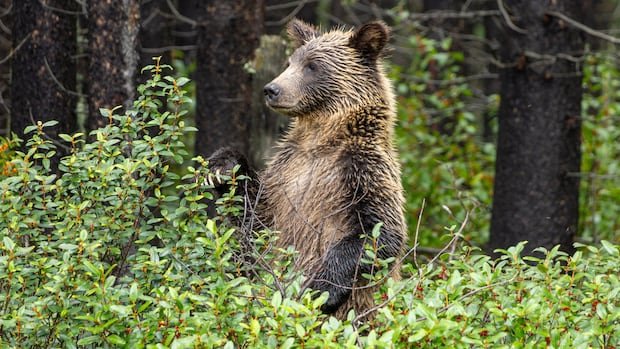
Conservation groups are questioning recent appeals by the Alberta government to reinstate grizzly bear hunting after a hiatus of two decades, citing a lack of scientific justification. The Rural Municipalities of Alberta (RMA) recently passed a resolution urging the provincial government to introduce a regulated grizzly bear hunt managed through a draw system. However, conservationists stress the importance of a science-based approach to grizzly bear management due to the absence of recent population studies.
The Alberta Wildlife Federation has expressed conditional support for a limited grizzly bear harvest, emphasizing the necessity for a management plan grounded in sound scientific principles that prioritize the sustainability of the grizzly bear population while addressing human safety and property protection concerns.
The RMA’s advocacy for a grizzly bear hunt is rooted in concerns over a surge in human-bear interactions, particularly in southwestern Alberta, following incidents like a fisherman being injured by a grizzly bear with cubs near Cardston. Despite the majority of RMA members backing the resolution, conservation groups urge for a more comprehensive understanding of the current grizzly bear population before considering a hunt.
The Alberta government’s stance on grizzly bear management underscores its commitment to balancing public safety, mitigating conflicts, and ensuring the viability of grizzly bear populations through evidence-based strategies. However, conservationists like Ruiping Luo from the Alberta Wilderness Association argue that without updated population data, calls for a hunt lack empirical support and may not address the underlying causes of human-bear conflicts.
Grizzly bears in Alberta are designated as a threatened species, necessitating a cautious and data-driven approach to wildlife management decisions. While the province has reported an increase in the grizzly bear population, ongoing research and monitoring are essential to inform effective conservation measures and ensure the long-term survival of these iconic species.
Efforts to address human-bear conflicts and support coexistence initiatives are seen as crucial by wildlife advocates, who emphasize the importance of investing in research and non-lethal strategies to manage grizzly bear populations sustainably. Despite financial constraints hindering recent population studies, experts like biologist Gordon Stenhouse advocate for continued monitoring and collaboration with local communities to enhance conservation efforts and public awareness.

