
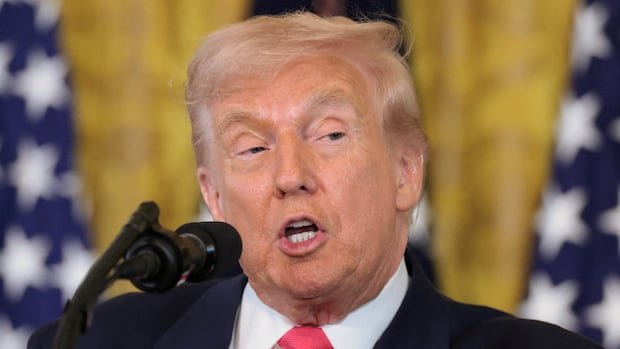
U.S. President Donald Trump has decided to remove tariffs on numerous food items, such as beef, tomatoes, and bananas, in response to mounting concerns among American consumers about the rising prices of groceries. The tariff exemptions, effective retroactively from midnight Thursday, represent a significant shift for Trump, who has consistently denied that his tariffs are driving inflation.
Despite acknowledging that some tariffs may lead to price increases, Trump stated that the U.S. is experiencing minimal inflation overall. The decision to roll back tariffs comes as Democrats secure wins in various state and local elections where affordability, including the cost of food, has been a central issue.
Trump also announced plans to proceed with a $2,000 payment to lower- and middle-income Americans next year, funded by tariff revenues. The exemptions apply to over 200 products, including items essential for American households, many of which have seen substantial price hikes.
The White House highlighted that the tariff rollbacks are part of efforts to secure more reciprocal trade terms, with deals being negotiated with countries like Argentina, Ecuador, Guatemala, and El Salvador. The move aims to alleviate the financial burden on consumers, as prices for items like ground beef and steaks have surged in recent years.
Industry groups have welcomed the tariff exemptions, with some expressing disappointment over certain products being excluded. The Distilled Spirits Council voiced concerns over excluding spirits from the EU and Britain, citing negative impacts on the U.S. hospitality industry.
Trump indicated that further changes may not be necessary, emphasizing the potential for lower prices on items like coffee in the near future. The president’s focus on affordability has intensified, with blame directed at policies enacted by his predecessor rather than his own tariff strategies.
Despite Trump’s assertion that his tariffs are not solely responsible for increased grocery prices, consumer frustration persists. Economists warn that tariffs could further drive up costs as companies pass on the full extent of import duties. Democratic lawmakers have criticized the administration for exacerbating inflation and economic challenges through its tariff policies.

