
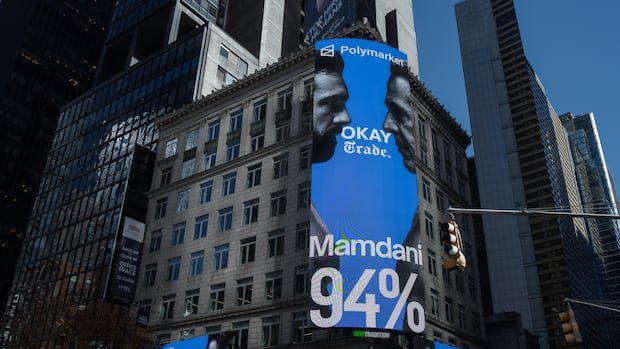
An inquiry into potential tampering with temperature sensors at Paris airport to influence online betting outcomes is drawing attention to the increasing popularity of climate-related bets. Some users on the Polymarket platform profited significantly when temperature readings surged by 5 degrees Celsius within a day earlier this month. This incident has sparked discussions regarding the ethics of platforms like Polymarket and Kalshi, where individuals can wager on climate-related events such as hurricane intensity and record-breaking years.
Experts interviewed by CBC News suggest that weather betting could have a positive impact on climate science by raising awareness and potentially altering the views of climate change skeptics. Moran Cerf, a neuroscience and business professor at Columbia University, conducted a study where participants engaged in betting on climate events like California wildfires. The results indicated that individuals who participated in such markets exhibited heightened concern for climate change, with even skeptics showing signs of conversion.
Despite the increasing occurrences of climate-related disasters, a significant portion of the population remains skeptical about climate change. According to a January 2025 poll by the Angus Reid Institute, nearly a quarter of Canadians do not believe in human-induced climate change. This skepticism persists, making it challenging to convince individuals about the reality of global warming.
Prediction markets offer a unique perspective on climate science by providing immediate feedback through betting activities. Participants can observe real-time changes in probabilities and experience short-term impacts through payouts, thereby enhancing their engagement and understanding of climate events.
Mark Roulston, a climate scientist at the University of Lancaster, is exploring the use of prediction markets within academic research to improve climate modeling accuracy. By aggregating predictions from various research teams, these markets aim to refine climate forecasts and incentivize teams to enhance their models. The integration of prediction markets in the insurance sector could facilitate better risk assessment, while scientists could leverage these platforms to secure research funding.
While short-term binary options are prohibited in Canada, Wealthsimple recently received approval to operate specific prediction markets in the country. These markets will cover economic indicators, financial markets, and climate trends, excluding sports and election-related bets. However, concerns have been raised about the impact of short-term bets on climate change awareness. Researchers like Cerf caution that such bets may prioritize engagement over educational outcomes, and incidents of data tampering could undermine the credibility of these platforms in fostering climate consciousness.

