
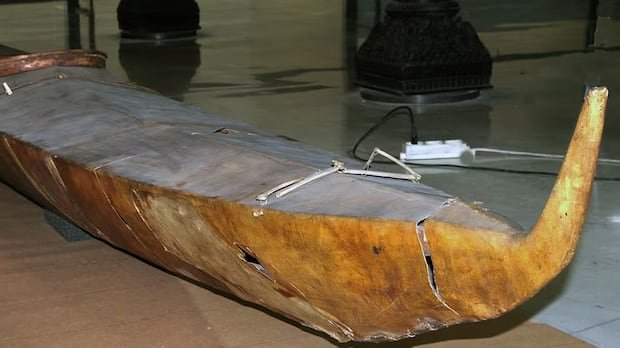
A kayak traditionally used by the Inuvialuit for beluga and whale hunting, along with 61 additional cultural artifacts representing First Nations, Métis, and Inuit communities, have been stored in the vaults of Vatican Museums for many years. However, these cultural treasures are set to be repatriated to Canada on December 6 following a generous gift from Pope Leo XIV to the Canadian Conference of Catholic Bishops (CCCB), as per a joint statement by the Vatican and the conference.
The decision to return these items was announced after a meeting at the Vatican between the Pope and a delegation from the CCCB, which included Bishop Pierre Goudreault, Archbishop Richard Smith of Vancouver, and Rev. Jean Vézina, the general secretary. The statement emphasized that Pope Leo XIV views this gesture as a tangible demonstration of dialogue, respect, and brotherhood, in continuation of Pope Francis’s efforts during his visit to Canada in 2022 and subsequent engagements with Indigenous communities.
The Vatican has entrusted the custody of these artifacts to the CCCB, which has pledged to ensure their proper preservation and respect. The CCCB intends to promptly transfer the artifacts to the National Indigenous Organizations (NIOs) for eventual reunification with their respective communities of origin.
Negotiations for the repatriation of these cultural items were led by Indigenous groups over a two-year period, with the costs of the negotiations and the return process being covered by the Indigenous groups. The Canadian ambassador to the Holy See, Joyce Napier, played a role in facilitating the repatriation efforts, describing the return of these artifacts as a momentous occasion.
The artifacts, currently housed in the Vatican Museums, will be carefully packed and transported to Montreal via Frankfurt on an Air Canada flight, scheduled to arrive on December 6. Subsequently, they will be transported to the Canadian Museum of History in Gatineau, Quebec, for assessment, verification of origins, and collaboration with Indigenous representatives to determine their final placement.
The initiative to return these items is being hailed as a significant step in acknowledging the historical injustices faced by Indigenous communities, particularly in the context of the residential school system and forced cultural assimilation. The move has garnered praise from various quarters, including Canadian Foreign Affairs Minister Anita Anand, who commended the efforts to honor Indigenous cultural heritage and advance truth, justice, and reconciliation.
The return of these cultural artifacts is framed as a goodwill gesture between churches, a standard practice for the Vatican to avoid setting precedents of returning items directly to nations or communities. The decision to repatriate the items gained momentum following discussions between Indigenous leaders, Canadian government officials, and Vatican representatives, culminating in the formal handover by Pope Leo XIV.
Among the notable items set to return to Canada are a historic kayak, a wampum belt from Kanesatake, embroidered leather gloves of Cree origin, and a Gwich’in baby belt, all of which hold cultural significance for Indigenous communities. The repatriation process underscores the importance of acknowledging the past injustices and working towards healing and reconciliation, as stressed by Indigenous leaders involved in the negotiations.
Prior to the artifacts’ journey back to Canada, ceremonial activities will be conducted to honor the significance of these cultural objects. While some critics have raised concerns about the intermediary church-to-church approach, community involvement in identifying and handling the artifacts remains a key priority for Indigenous representatives.

