
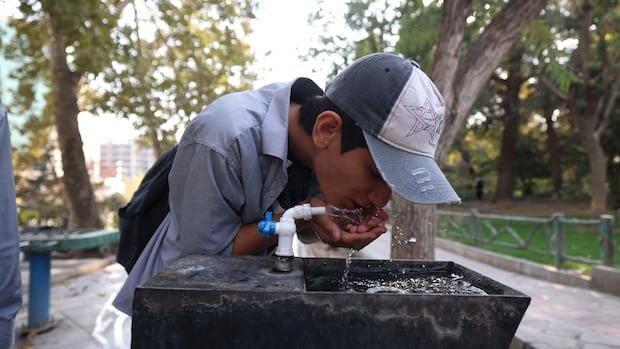
Iran is grappling with a severe drought crisis, with the country’s capital, Tehran, on the brink of running out of water, according to a UN expert. Kaveh Madani, the director of the UN University Institute for Water, Environment, and Health, highlighted the critical situation, stating that only a few days or weeks of water supply remain for Tehran. The looming “day zero” marks the imminent depletion of water resources, posing a severe threat to the city’s water and power supply.
With over 90 million people in Iran experiencing an unprecedented water and energy crisis, exacerbated by the sixth consecutive year of drought, nearly 10% of the nation’s dams are at critically low levels. President Masoud Pezeshkian warned of the possibility of water rationing and even the evacuation of Tehran if rainfall does not arrive by late November.
The water scarcity issue in Iran is not solely a result of insufficient rainfall but also stems from decades of mismanagement, lack of foresight, and heavy reliance on groundwater resources. The country’s densely populated metropolitan areas, coupled with an inefficient agricultural sector consuming 90% of freshwater, have exacerbated the crisis. Outdated farming practices and the diversion of rivers to inland industries have further strained water resources, leading to power outages and ecological degradation.
Experts emphasize the urgent need for rainfall to replenish depleted groundwater reserves, as prolonged water scarcity could have significant socio-economic repercussions. While short-term measures like prolonging weekends and encouraging city dwellers to leave temporarily have been suggested, a shift towards a resilience-based water management approach is vital for long-term sustainability. However, skepticism remains regarding the implementation of substantial policy reforms, with concerns that quick-fix technological solutions may overshadow the need for systemic changes.
In light of the escalating water crisis, the call for proactive governmental intervention and strategic water allocation to address critical water scarcity points is crucial for mitigating the environmental and socio-economic impact in Iran.

