

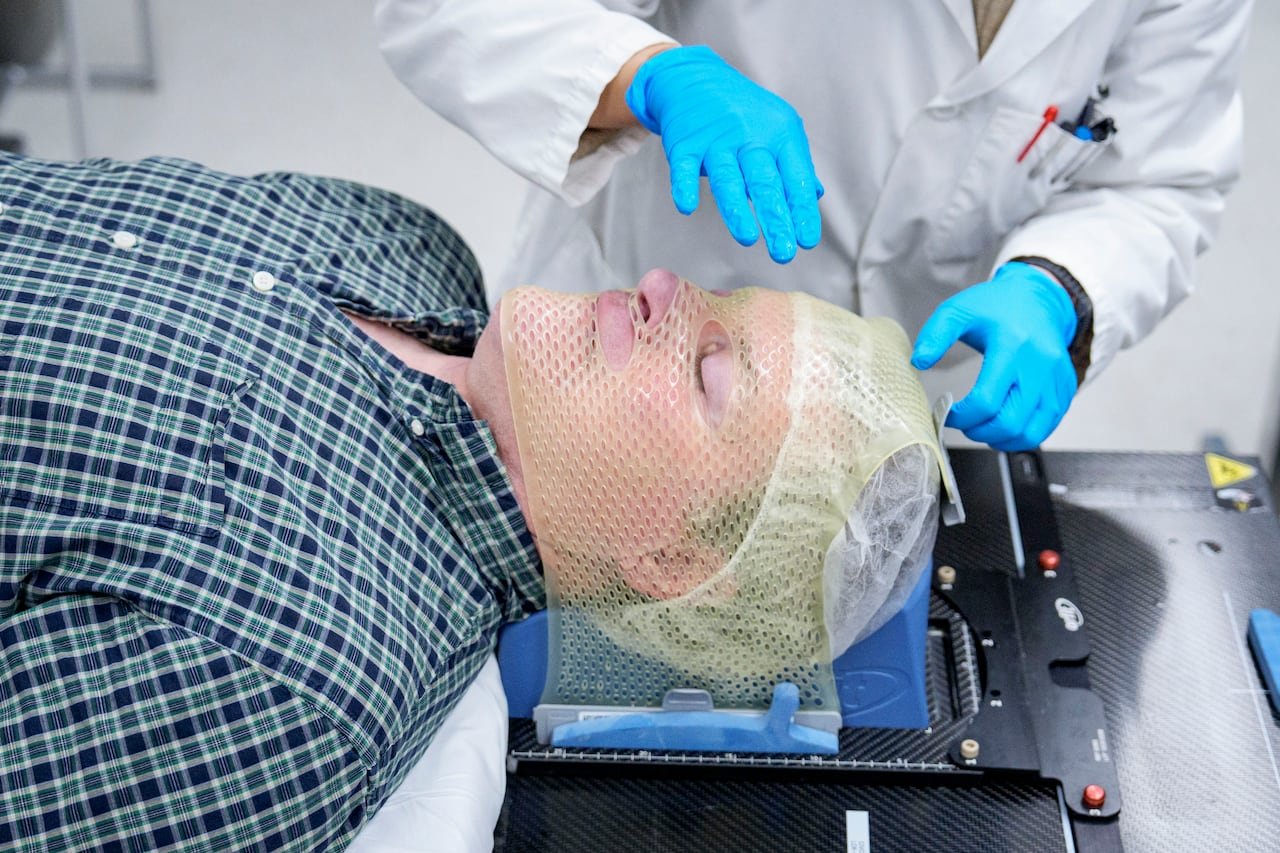
Brendan Hynes, a Canadian military veteran, participates in a groundbreaking research project at Toronto’s Centre for Addiction and Mental Health (CAMH) to detect chronic traumatic encephalopathy (CTE) in living individuals. Hynes, exposed to bomb blasts during his military service, suspects he has CTE due to severe symptoms. The research aims to image CTE and diagnose it while individuals are alive, unlike the current postmortem confirmation. Led by researcher Neil Vasdev, the team uses a special radioactive tracer to highlight CTE-specific tau deposits in living brains. The project shows promising results in detecting signs of CTE in living patients, offering hope for future treatments and clinical trials.
-
NHL great Bobby Hull had degenerative brain disease CTE when he died 2 years ago
-
Gunman who blamed NFL for hiding brain injury dangers had CTE: medical examiner
Hynes hopes the research not only benefits others but also provides insight into his own brain health. The symptoms he experienced after years of bomb exposure were devastating, leading to cognitive impairments and potential CTE. Despite challenges in diagnosing and treating CTE, advancements in brain imaging offer a glimpse of hope for early detection and intervention in the future.
Disease identified in hundreds of athletes
CTE, a degenerative brain disease linked to head trauma, can manifest years after repeated injuries. Symptoms include memory loss, mood changes, and cognitive decline. The research, focusing on brain imaging and tau protein analysis, aims to revolutionize CTE diagnosis and treatment. While CTE has been prevalent among athletes, recent studies also highlight cases in military personnel and domestic violence victims, shedding light on the broader impact of head trauma on various demographics.
Advancements in brain imaging technology offer hope for early detection and potential treatment of CTE. By studying tau protein deposits in living brains, researchers aim to provide a pathway for future research

