
Top European diplomats emphasized the importance of involving Ukraine and Europe in any initiatives aimed at halting Russia’s invasion of Ukraine. This statement came amidst reports of a potential U.S.-Russian peace proposal to resolve the conflict, coinciding with corruption allegations within the Ukrainian government.
The discussion surrounding a covert peace plan added further strain on Ukrainian President Volodymyr Zelenskyy, who is concurrently overseeing the defense of Ukraine against Russia’s superior military, engaging with European leaders to secure ongoing support for Ukraine, and addressing a significant corruption scandal in the energy sector that has sparked public outrage.
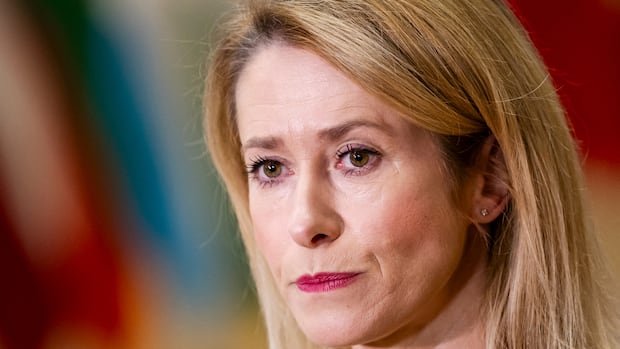
EU foreign policy chief Kaja Kallas stressed the necessity of having the participation of Ukrainians and Europeans in any proposed plan for it to be effective. German Foreign Minister Johann Wadephul echoed this sentiment, emphasizing that negotiations concerning a ceasefire and the future stability of Ukraine must involve Ukraine and European stakeholders.
While details of the reported peace plan, purportedly devised by U.S. and Russian officials, remained unclear, speculations arose regarding potential territorial concessions by Ukraine, a notion firmly rejected by President Zelenskyy. U.S. Secretary of State Marco Rubio disclosed on social media that American authorities were formulating proposals for a lasting peace agreement, contingent on both sides making challenging yet essential concessions.
Kremlin spokesperson Dmitry Peskov dismissed claims of ongoing consultations with the U.S. to end the conflict in Ukraine, clarifying that although contacts existed, formal consultation processes were not currently underway. Danish Foreign Minister Lars Løkke Rasmussen expressed uncertainty about the plan’s endorsement by U.S. President Donald Trump and Russian President Vladimir Putin, underscoring the need to ascertain the involvement of key leaders in the proposal.
European leaders have expressed concerns over potential marginalization by the Trump administration in efforts to resolve the conflict, emphasizing the critical role of European support for Ukraine. EU diplomats have criticized Russian President Vladimir Putin for purportedly insincere peace overtures while maintaining a relentless military campaign in Ukraine.
EU’s chief diplomat, Kallas, condemned Russia’s targeting of civilian infrastructure in Ukraine, following a deadly attack in Ternopil that claimed numerous lives and left many injured. The EU diplomat suggested that if Russia genuinely sought peace, it could have agreed to an unconditional ceasefire earlier.
With the U.S. halting direct military aid to Ukraine, European nations have stepped in by procuring weaponry from the U.S., granting Europe a pivotal position in negotiations to end the conflict. Polish Foreign Minister Radosław Sikorski emphasized Europe’s crucial role as Ukraine’s primary supporter and highlighted Europe’s security interests at stake, underscoring the necessity for European involvement in peace talks.

