
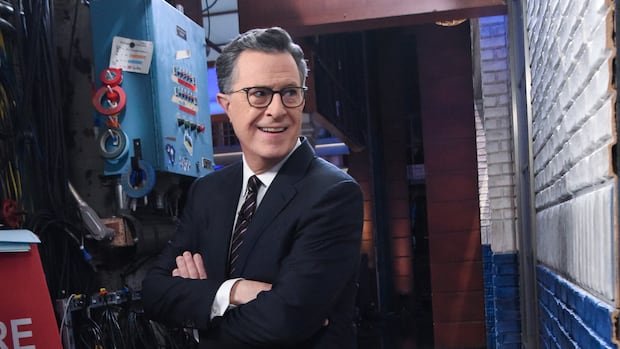
After 11 seasons, Stephen Colbert’s iconic late-night show, The Late Show with Stephen Colbert, bids farewell from the Ed Sullivan Theater in New York City tonight. The conclusion marks the end of an era defined by Colbert’s witty monologues, engaging celebrity interviews, and sharp political satire.
Colbert revealed last July that CBS decided to end the show at the conclusion of his contract, citing financial reasons amidst a challenging late-night landscape. The announcement came shortly after Colbert criticized Paramount Global, CBS’s parent company, for settling a lawsuit with former U.S. President Donald Trump over a 60 Minutes report.
Experts anticipate a significant gap in the late-night lineup with Colbert’s departure but also emphasize the need for the format to adapt to the streaming era. The shift may already be underway, signaling a potential transformation in the late-night genre.
When Colbert assumed the reins of the Late Show in 2015, succeeding David Letterman, he brought a unique perspective shaped by his background in improvisation and satirical experience on shows like The Daily Show and The Colbert Report. Critics highlight Colbert’s role in reflecting American society’s mirror, making his departure due to a business deal rather than creative reasons disappointing.
As late-night shows navigate the changing media landscape, the future of the genre remains uncertain. With viewers increasingly turning to social media for bite-sized late-night content, the format may need to pivot to remain relevant and financially sustainable. Despite the challenges, experts believe that late-night television’s significance in shaping public discourse and civic engagement will endure, even as the delivery methods evolve.
The end of Colbert’s tenure on The Late Show marks a pivotal moment in late-night television, prompting reflections on the genre’s past, present, and future in an ever-evolving media landscape.

