
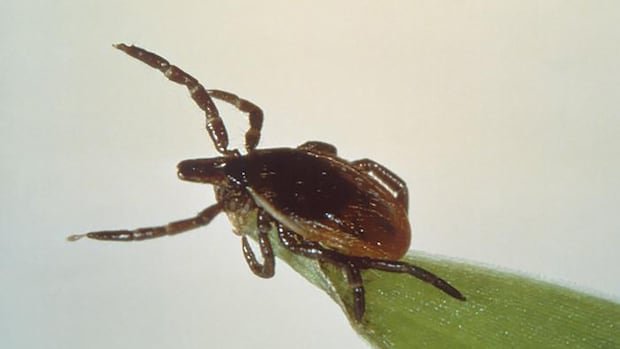
Ticks are spreading to new areas in southern Canada due to climate change, with experts warning that these blood-sucking insects will continue to expand their range. While ticks carrying diseases were not a significant concern in Canada until the 1990s, various species are migrating north from the United States at a pace of 35 to 55 kilometers per year. According to Katie Clow, an assistant professor at the University of Guelph, regions in southern Canada currently free of ticks are likely to witness their emergence in the next decade.
Lyme disease, transmitted by blacklegged ticks, was first detected in southern Ontario in 1989. These ticks, also known as deer ticks, can also transmit the Powassan virus in rare cases and have since spread to all other provinces, including Alberta and Saskatchewan. Canada now hosts over 40 tick species, some of which pose serious health risks, as confirmed by Health Canada.
The invasion of new tick species into Canada has surprised many, with researchers emphasizing that it is a matter of “when” rather than “if” these species will establish themselves in the country. The Public Health Agency of Canada has reported a significant rise in Lyme disease cases from 2009 to 2025, with 7,105 cases in 2025 compared to 144 cases in 2009. Lyme disease can lead to various symptoms and severe complications if left untreated, with blacklegged ticks being particularly concerning during their nymph stage.
The increase in tick populations in Canada is attributed to climate change, with ticks benefiting from warmer conditions that allow for their survival and reproduction. Ticks are resilient and can endure cold winters under leaves, provided they have sufficient warmth throughout the year. The expansion of housing developments into wooded areas is contributing to the proliferation of ticks in suburban areas, leading to a year-round problem rather than just in the summer months.
Researchers underscore the importance of taking precautions against ticks, especially as their populations continue to rise. Canadians are advised to implement protective measures during outdoor activities, such as wearing appropriate clothing, using insect repellent, and conducting tick checks after being outdoors. Managing property to reduce tick habitats and following proper hygiene practices can help mitigate the risks associated with ticks in the changing climate scenario.

