
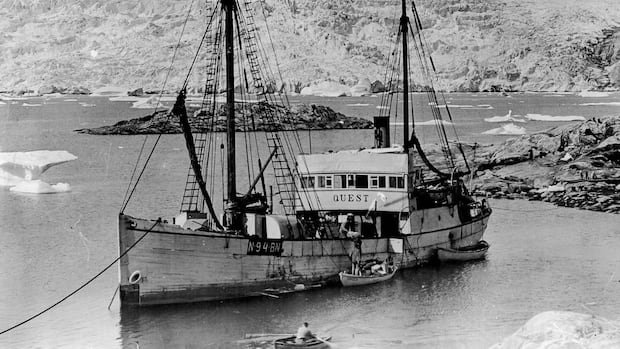
An upcoming expedition funded by the Royal Canadian Geographical Society (RCGS) is set to digitally record the wreck of the Quest, a ship that sank in the Labrador Sea in 1962. The project aims to create a high-resolution digital model of the vessel using innovative Canadian underwater imaging technology from Voyis, based in Waterloo, Ontario. Additionally, the expedition plans to survey Terra Nova, the ship that transported British explorer Robert Falcon Scott to Antarctica.
CBC News is the exclusive Canadian media outlet accompanying the research vessel Atlantis on this 21-day journey, departing from the Woods Hole Oceanographic Institute in Massachusetts on July 2. This initiative represents a significant shift in underwater archaeology, focusing on digitally documenting shipwrecks rather than physical recovery.
Renowned shipwreck hunter and co-chief scientist of the expedition, David Mearns, describes this endeavor as a rare opportunity, labeling it a “once-in-a-generation” event. The Quest, which carried the famed Antarctic explorer Sir Ernest Shackleton on his final expedition, sank near South Georgia in 1922. The ship saw further service before its demise off Labrador.
The Quest lies approximately 400 meters below the Labrador Sea’s surface, while Terra Nova rests about 30 km south of Greenland in 170 meters of water. The RCGS hopes this expedition will shed light on the wrecks’ current conditions and provide valuable insights into their historical significance.
Utilizing a combination of lasers, stereo cameras, and advanced software, the team will capture detailed images to construct a comprehensive three-dimensional digital model of the ship and its surroundings. Voyis, a specialist in underwater imaging technology, has previously worked on projects involving the Titanic and Shackleton’s Endurance.
Digital photogrammetry offers a safer and more precise method compared to traditional diver-based surveys, allowing experts to analyze the data remotely. While the expedition holds great promise, challenges such as strong currents and poor visibility at depth may impact the success of the mission.
The researchers are eager to explore the debris field around the wreck, which could provide crucial information about the ship’s final moments. The outcome of the expedition remains uncertain, with factors like challenging sea conditions and technological limitations potentially affecting the project’s success.

