
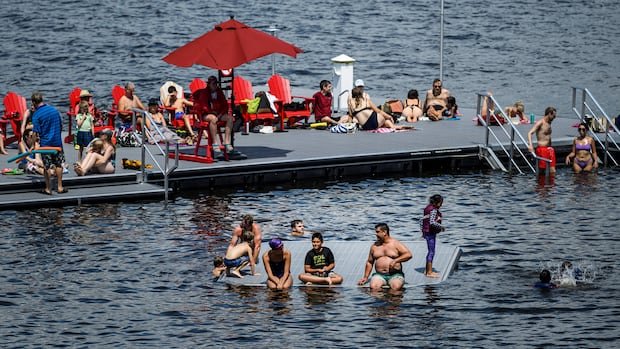
After a surge of drowning incidents in Europe’s unprecedented heat wave, advocates are stressing the importance of safety during summer in Canada and calling for increased public swimming access nationwide. France reported 40 drowning deaths in just a few days amid scorching temperatures exceeding 40°C, with similar tragic incidents in Germany. Canada is bracing for its own heat wave, with parts of Ontario and Quebec set to reach the mid-30s.
Lenea Grace, the executive director of the Lifesaving Society of BC & Yukon, cautioned that despite tempting water bodies like rivers and waterfalls, hidden hazards such as currents and undertows could be life-threatening. She emphasized the importance of recognizing potential dangers and not underestimating the risks, especially in unfamiliar waters.
As of June 29, there have been 92 drownings in Canada this year, slightly fewer than the same period last year, but with increases in British Columbia and Ontario. Grace advised choosing swimming areas with lifeguards whenever possible, swimming in groups, keeping a close watch on children, and wearing life jackets for those lacking strong swimming skills or boating.
In Montreal, the mayor of Verdun called for enhanced safety measures following a recent drowning near Verdun Beach, underscoring the need for public awareness about water safety. Swim Drink Fish, an organization advocating for clean water bodies, highlighted the importance of creating more safe swimming spaces and emphasized the natural cooling benefits of accessible water bodies in combating climate change impacts.
The Swimmable Cities Initiative, in collaboration with various Canadian cities, aims to promote urban water bodies as safe public spaces supporting health and climate resilience. Ottawa has become the first Canadian city to endorse the Swimmable Cities Charter.
Ensuring safe swimming environments, especially in public waters, is crucial due to the presence of harmful bacteria. Swim Drink Fish’s Swim Guide offers real-time water cleanliness information for various locations across Canada and globally. Monitoring water safety and addressing issues like blue-green algae contamination remain vital to prevent waterborne illnesses and preserve summer enjoyment.
Technological advancements, such as oxygenation systems, are being explored to restore swimmability to affected water bodies. Projects like Vancouver Island’s Elk/Beaver Lake Initiative aim to mitigate algae blooms and enhance water quality over the coming years. It is essential to exercise caution when swimming this summer, avoiding risky activities like cliff jumping and staying within safe distances from the shore, especially in hot weather conditions.

