
Federal funding cuts to a weather radar research team are expected to hinder weather forecasters’ ability to detect tornadoes promptly, according to a University of Manitoba atmospheric science professor. Despite a previous investment of $180 million by the federal government a decade ago to install 33 new high-quality weather radar systems across Canada, the issue lies in outdated software and algorithms used by forecasters to interpret radar data.
The disbanding of the specialized team responsible for radar research may impede necessary upgrades to the software and algorithms, as highlighted by the professor and eight other weather researchers who penned a letter to the federal Environment and Climate Change Minister expressing concerns.
The weather radar research group under Environment and Climate Change Canada was dedicated to optimizing the national weather radar network to enhance public safety and minimize casualties and property damage caused by severe weather events.
In response to inquiries, Environment Canada assured that the changes in radar research activities would not affect meteorologists’ access to operational radar data. The agency reiterated its commitment to maintaining the radar network with the necessary scientific and technical expertise.
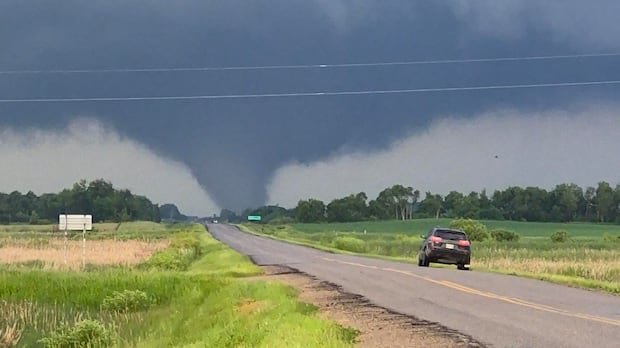
Amidst recent incidents like the tornado in a Winnipeg neighborhood that caught residents off guard, local officials stress the vital role of timely alerts from radar systems in ensuring community safety. Despite the absence of an alert before the tornado struck, Environment Canada issued severe thunderstorm warnings, as thunderstorms can quickly escalate to tornado-producing conditions.
While radar systems can provide valuable insights into storm structures and wind patterns indicating potential tornado formation, the effectiveness of forecasters in utilizing this data is limited by outdated software and algorithms. The need for software and algorithm upgrades to fully leverage the capabilities of the new radar systems is emphasized by experts in the field.
To address these challenges, experts advocate for ongoing enhancements to the software and algorithms used by weather forecasters to interpret radar data effectively. The existing radar network’s maintenance is deemed insufficient, with calls for technological advancements to empower forecasters in making more accurate and timely predictions to safeguard communities from severe weather events.

