
In Tuesday’s budget and its digital annexes, there are several measures that could have an impact on the lives of many Canadians. Here are five noteworthy highlights.
**1. Advance Warning of Bank Branch Closures**
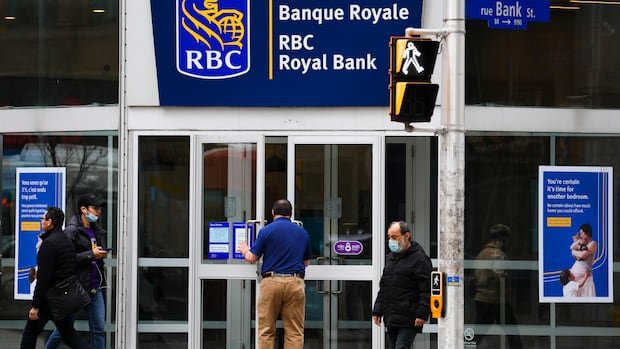
In recent years, there has been a trend of banks closing branches, particularly affecting rural areas where distances between branches can be significant. The number of bank branches in Canada decreased by nine percent over a decade, dropping from 6,205 in 2012 to 5,656 in 2022. The budget will amend the Bank Act to mandate that banks publicly announce branch closures on their websites and prohibit charging certain account switching or closure fees once a closure is announced until 12 months post-closure. Additionally, rules will be tightened to ensure branches have adequate processes to verify identification documents for remotely opened accounts, benefiting seniors and those in rural or remote locations.
**2. Long-Term Care Costs for Veterans**
There has been contention between the federal government and Canadian veterans over the costs veterans incur for accommodation and meals in long-term care. The budget seeks to clarify the rules retroactively by proposing changes to the Department of Veterans Affairs Act and regulations governing the calculation of accommodation and meals charges in the long-term care program. The government will also specify that Veterans Affairs had the authority to prorate certain indexation adjustments under the now repealed earnings loss benefit. Furthermore, the budget promises expedited services for veterans and a reduction in reimbursement for medically prescribed cannabis.
**3. Canada Post Empowered to Set Rates**
Canada Post will now have the authority to set its own postal rates, a change the organization has long desired. The budget legislation will deregulate the setting of postal rates, allowing Canada Post to independently establish rates. This move is anticipated to enhance the financial sustainability of Canada Post operations and positively impact Canadians nationwide, including those in remote and underserved areas dependent on mail delivery.
**4. Stricter Regulations for Predatory Debt Advisors**
The government aims to address the issue of unlicensed debt advisors exploiting individuals burdened by debt. To combat this problem, the budget proposes civil remedies, including restitution, for non-compliance with the Bankruptcy and Insolvency Act. Additionally, maximum criminal fines under the legislation for individuals will increase from $5,000 to $100,000 and to $1 million for corporations, deterring fraudulent practices.
**5. Enhanced Access to Cheque Funds**
The budget introduces changes to improve access to funds from deposited cheques. Banks will now be required to immediately pay out up to $150 when a cheque is deposited, up from the current $100 limit. This adjustment is aimed at benefiting low-income Canadians and seniors, reducing reliance on expensive short-term credit options like payday loans. The government also plans to reduce the duration banks can hold cheques before releasing funds, with specifics to be determined.
These measures reflect the government’s efforts to address various issues affecting Canadians and improve financial services across different sectors.

