
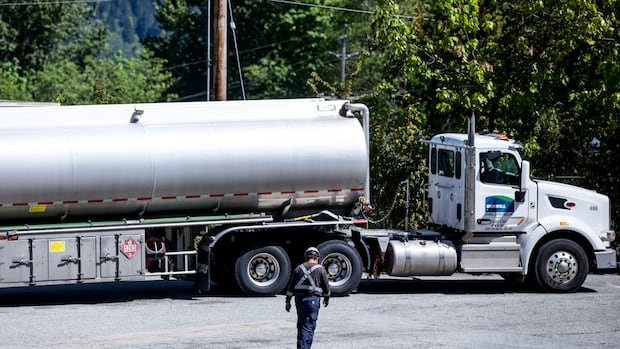
As the conflict in the Middle East persists, the prices of crude oil are remaining significantly above the $100 US threshold, putting pressure on businesses that heavily rely on fuel consumption such as airlines, shipping companies, and rideshare services.
To counter the surge in gas prices, many of these businesses have begun implementing a fuel surcharge on top of their regular rates. These surcharges are typically temporary and aim to offset fluctuations in gas prices during uncertain times.
Various Canadian companies in different sectors were contacted by CBC News to inquire about their plans regarding fuel surcharges. Responses from these companies will be continuously updated in this report.
Airlines are particularly affected as jet fuel constitutes a major portion of their expenses. Recent data from the International Air Transport Association revealed a staggering 116.8% increase in the average price of jet fuel compared to the previous year.
In response to rising fuel costs, airlines, both Canadian and international, have started adding surcharges to their ticket prices. Some of the notable adjustments include Air Canada Vacations introducing a $50 per passenger fuel surcharge for warm-weather destinations and Porter Airlines implementing a temporary $40 peak surcharge for VIPorter members.
Rideshare and food delivery companies have also taken steps to support their drivers facing escalating gas prices. DoorDash and Lyft have initiated relief programs to assist drivers in covering additional fuel expenses, while Uber has increased cash-back rewards for drivers using their Uber Pro Card for fuel purchases.
While some transportation sectors like Via Rail and FlixBus have indicated no plans for fuel surcharges, shipping companies like Canada Post, Amazon, FedEx, UPS, and Purolator have adjusted their fuel surcharge rates in response to fluctuating fuel prices.
These companies are closely monitoring the situation and adapting their strategies to help manage the impact of rising fuel costs while ensuring minimal disruptions to their operations.

