
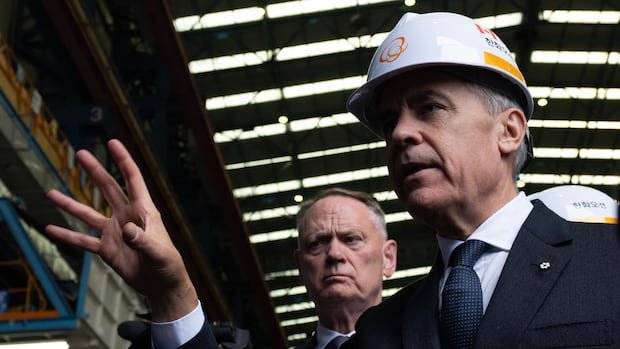
The Canadian government has allocated an additional $81.8 billion over five years to enhance the country’s military capabilities. However, the new federal budget lacks specific details on how this funding will be utilized over the mentioned period. The budget also does not provide a clear roadmap to achieve NATO’s defense spending target of five percent of the gross domestic product.
The fiscal plan, presented in the House of Commons, includes increased funding for recruitment, training, new equipment, defense infrastructure, and bolstering cyber defense capabilities. Additionally, an extra $2.7 billion has been reserved to support ongoing military operations in Latvia and the Middle East.
Finance Minister François-Philippe Champagne described Budget 2025 as the most substantial defense investment in years. He emphasized the government’s commitment to meeting NATO’s two percent spending target, modernizing NORAD, reinforcing Arctic defenses, and providing necessary infrastructure and technology for the Canadian Armed Forces.
Despite being labeled as a blueprint for defending sovereignty, the budget lacks detailed expenditure plans, leading some experts to view it as a preliminary outline rather than a comprehensive strategy. The budget outlines increased investment in the defense industry, including $6.6 billion over five years and provisions for establishing the Defense Investment Agency.
Notably, the budget does not specify the military equipment purchases, such as submarines, although there is an intention to expedite the procurement process. While the overall defense budget is projected to be $62 billion, specific yearly breakdowns are absent in the current budget.
Furthermore, there is no detailed comparison of planned defense spending with the projected GDP, a key metric used by allied nations to gauge defense expenditures. Prime Minister Mark Carney has pledged to increase defense spending to two percent of GDP by the end of the fiscal year, with a commitment to reach five percent by 2035.
Of the total $81.8 billion allocated in the budget, approximately $9 billion was previously announced by Carney in June. Defense Minister David McGuinty mentioned that the budget would initiate steps towards achieving the five percent target by 2035. However, the lack of specific details in the budget raises concerns about the government’s ability to meet these ambitious goals.
The budget also discusses retiring outdated equipment to save costs, mentions support for defense exports, and highlights investments in critical minerals and Arctic infrastructure. The overarching goal is to strengthen defense capabilities, support Canadian industries, create jobs, and enhance security across the country.
In conclusion, the budget provides an overview of significant defense investments but lacks specific spending details, prompting questions about the feasibility of meeting long-term defense targets.

