
A former silver mining region in northern Ontario is set to become the site of North America’s inaugural battery-grade cobalt refinery. The town nearby, appropriately named Cobalt, appears to be aligning with its namesake.
Once operational, the plant will treat mined cobalt rock, converting it into cobalt sulfate, a vital component in lithium-ion batteries utilized in various products such as electric vehicles and smartphones. Electra Battery Materials, the entity overseeing the initiative, anticipates full functionality of the facility by the conclusion of 2027, with an estimated production capacity of 6,500 tonnes of battery-grade cobalt annually, sufficient to cater to about one million electric vehicle batteries per year.
Trent Mell, the founder and CEO of the company, emphasized the growing necessity for critical minerals in powering batteries and high-tech devices essential for modern society, citing implications for not only vehicles and grid energy storage but also national security.
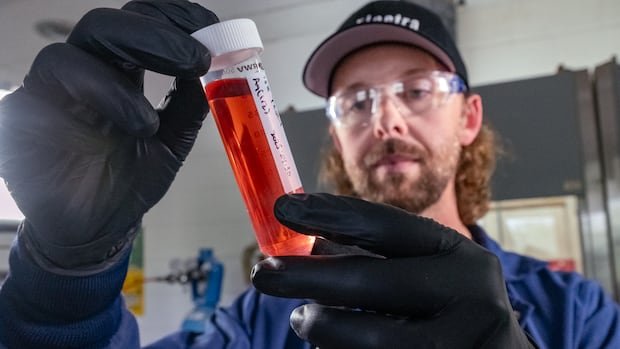
In the refinery’s laboratory, Graham Kinsman, Electra’s metallurgical lead, is actively refining chemical and physical processes to eliminate impurities like iron and copper from the cobalt, ensuring efficient removal through adjustments in pH levels and temperatures at each processing stage. The refined cobalt product serves to stabilize batteries, preventing overheating and enhancing charge retention duration.
Despite the historical association of the town of Cobalt with abundant cobalt reserves due to its naming after a discovery in 1903 during railway construction, the refinery will not be sourcing locally mined rock but will import it from overseas. Cobalt’s significance in the area primarily stemmed from the lucrative silver deposits discovered during a major silver rush that sustained through the 1920s, supplying nearly half of the world’s silver production at its peak.
The cobalt supply for the refinery will be sourced from the Democratic Republic of Congo (DRC), a nation responsible for approximately three-quarters of global cobalt extraction. While concerns persist regarding mining practices in the DRC, including issues such as child labor and poor environmental standards, Electra assures measures to address these issues through regular audits and oversight.
Mell remains optimistic about the rising demand for cobalt, particularly in the military sector, emphasizing the necessity of a stable cobalt supply chain. The establishment of refineries like the one in Cobalt is deemed beneficial for Canada, potentially facilitating domestic mining activities, thereby reducing dependency on imported cobalt in the long run.
Currently, China dominates the battery-grade cobalt supply chain globally, refining over 75% of the world’s cobalt supply. Mell highlights the vulnerabilities associated with such a monopoly, emphasizing the significance of diversifying supply sources to mitigate geopolitical risks. Electra’s aim is to contribute a significant portion of the world’s cobalt sulfate production and has secured agreements with companies like LG Energy Solution for product supply.
The project has received substantial financial backing from federal and provincial governments, with additional support from the U.S. Department of War. The strategic importance of securing the cobalt supply chain on the continent is underscored by geopolitical considerations, highlighting the relevance of the initiative in advancing North American cobalt production capabilities.

