
A Victoria-based company has developed advanced technology capable of detecting marine mammals and is currently testing it on a new electric passenger ferry. Reach Technologies Inc., founded by Glenn Jones, has a history in aerospace technology spanning 32 years and has recently ventured into marine detection.
The company’s innovative multispectral camera, which rotates 360 degrees continuously, can swiftly identify objects, debris, people, and animals. Trials with the Department of National Defence are commencing this month to showcase the capabilities of this technology for marine mammal detection.
According to Jones, the unique camera system can detect marine mammals as soon as they breach the surface, providing crucial real-time monitoring. The cutting-edge devices come with a significant cost of up to $600,000 each, setting them apart in the market.
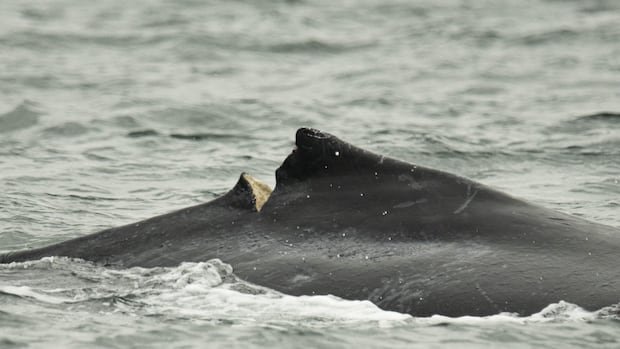
Recent incidents, such as the tragic deaths of humpback whales due to vessel strikes in British Columbia waters, highlight the urgent need for enhanced marine safety measures. The Marine Situational Awareness System developed by Reach Technologies aims to address this issue proactively.
CIRQL Ferries, planning to operate two electric ferries by 2028 in the Vancouver area, is piloting this novel detection technology. The initiative aims to prevent similar accidents in the future and safeguard marine life in regions frequented by humpback whales.
Experts, including Marine Mammal Zoologist Anna Hall and Canadian Wildlife Federation senior conservation biologist Sean Brillant, emphasize the importance of reducing vessel strikes on marine mammals. They advocate for early detection systems, responsible navigation practices, and training for vessel operators to mitigate risks effectively.
The introduction of electric ferries with reduced underwater noise levels is seen as a positive step towards minimizing disturbances to marine life. However, experts warn that increased vessel traffic can pose new challenges and call for comprehensive mitigation strategies to ensure the safety of marine species in busy waterways.
Efforts to protect marine wildlife, including humpback whales and other vulnerable species, require a collaborative approach involving technology, regulations, and responsible maritime practices. Through ongoing research and advancements in detection systems, stakeholders aim to create a safer environment for both marine animals and vessel operators alike.

