
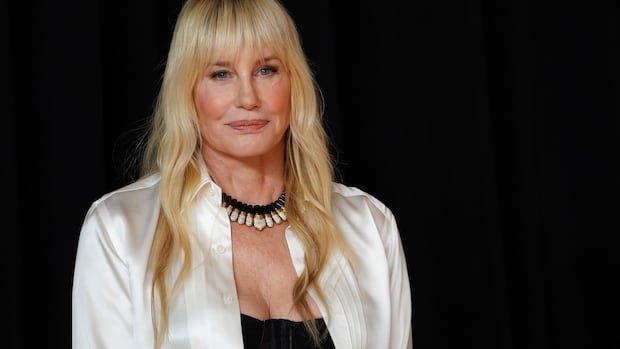
Daryl Hannah strongly criticized the recent television series depicting the relationship between John F. Kennedy Jr. and Carolyn Bessette, labeling the portrayal of her character as inaccurate, harmful, and sexist. In an opinion piece published in the New York Times titled “How Can Love Story Get Away With This?” the actor expressed her dismay at the representation of her in the FX and Hulu show.
The show, titled “Love Story: John F. Kennedy Jr. & Carolyn Bessette,” narrates the romantic journey and tragic fate of the iconic couple who perished in a plane crash in 1999 alongside Bessette’s sister, Lauren. Hannah, who had a previous relationship with Kennedy, objected to her depiction in the series, played by actress Dree Hemingway, as unflattering and inaccurate.
In her essay, Hannah, aged 65, refuted the actions attributed to her character in the first three episodes, emphasizing that the portrayal did not reflect her real-life persona or her association with John. She denied engaging in alleged behaviors such as drug use, pressuring individuals into marriage, or defacing family belongings, among other accusations levied against her character.
The actor also highlighted the personal toll of the show’s misrepresentations, echoing sentiments shared by others critical of the series, including Kennedy’s nephew, Jack Schlossberg. Hannah pointed out the deliberate positioning of her character as an impediment to the central love story, resulting in a portrayal that she deemed derogatory and unfair.
Despite the criticisms, FX, the network behind the series, refrained from immediate comment on Hannah’s claims. The actor, now dedicated to environmental advocacy and documentary filmmaking, reiterated the importance of maintaining her reputation in order to continue her meaningful work, emphasizing her commitment to standing up against the inaccurate portrayal she faced in the show.
Hannah also drew attention to the gender bias evident in the depiction of her character as a rival to Bessette, questioning the necessity of tearing down one woman to elevate another in popular culture. Quoting advice given to her by Jacqueline Kennedy Onassis, she highlighted the lasting impact of falsehoods in the digital age, underscoring the challenges posed by persistent misinformation online.

