
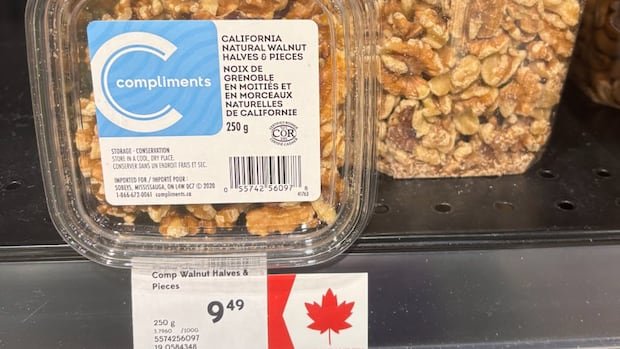
After more than a year since the inception of the Buy Canadian movement, major grocery retailers Loblaw and Sobeys are under increasing scrutiny for “maple washing,” the act of promoting imported products as locally sourced. The Canadian Food Inspection Agency (CFIA) imposed $10,000 fines on two Loblaw-owned stores in January for maple washing. Additionally, two other Loblaw-owned stores were issued formal warnings for the same offense a month later, as reported by CBC News.
Sobeys has also come under the CFIA’s radar, with the federal regulator receiving multiple complaints about the grocer’s maple washing practices. Following an investigation into Sobeys’ advertising procedures overseen by its head office, no fines were issued as the CFIA stated that corrective measures were implemented.
Notably, Sobeys seems to have phased out the red maple leaf symbol introduced the previous year to highlight Canadian goods in their stores. Recent visits by CBC to nine Sobeys and Safeway locations revealed the symbol’s disappearance, leaving products like Tim Hortons coffee and Real Dairy ice cream without an indication of their Canadian origin.
Consumer advocate Jay Jackson suggests that the CFIA’s ongoing investigation may have prompted Sobeys to remove the symbol, speculating that the grocer is acting to shield itself from closer government scrutiny.
As instances of maple washing continue to surface, Jackson highlights the growing demand from frustrated consumers for stricter enforcement by the CFIA against retailers violating labeling regulations. He emphasizes the public’s expectation of higher fines and increased enforcement to combat misrepresentation in claims of Canadian origin.
Despite the mounting cases of maple washing, fines have been infrequent. Since the beginning of 2025, the CFIA has identified 127 instances where imported products were falsely promoted as Canadian, resulting in only two fines issued to Loblaw stores thus far.
Steve Palmer, who has lodged multiple complaints with the CFIA regarding maple washing at Loblaw and Sobeys locations in Nova Scotia, expressed disappointment over the lack of penalties for such misleading practices. Palmer cited examples such as Egyptian oranges falsely labeled as “Product of Canada” and California walnuts advertised with a Canadian symbol at Sobeys.
The CFIA’s enforcement of fines is determined on a case-by-case basis, considering factors such as risk, potential harm, and the offender’s history. In January, Loblaw-owned stores in Toronto received $10,000 fines for misrepresenting foreign products as Canadian, while other Loblaw outlets were issued warnings for similar violations.
Under federal regulations, accurate food labeling is mandatory, with penalties varying based on the severity of the violation. While shoppers like Palmer advocate for tougher enforcement, limitations exist on the maximum fines the CFIA can levy per violation under the Safe Food for Canadians Act.
Loblaw has acknowledged the mislabeling incidents and apologized for the errors, pledging to reinforce store procedures to prevent future occurrences. The company highlighted the challenges of ensuring accurate labeling, particularly with vast inventories from diverse suppliers.
Palmer and other consumers have called for more stringent enforcement mechanisms against maple washing, questioning why the Competition Bureau has not taken a more active role in investigating such cases under the Competition Act. The public has been encouraged to file complaints with relevant authorities if they encounter misleading advertising, emphasizing the importance of holding retailers accountable for accurate product labeling.

