
Astronaut well-being has been a significant focus since the inception of space exploration. Various health issues, such as motion sickness, disorientation, muscle weakening, and bone density loss, impact every astronaut leaving Earth.
NASA has made strides in managing these conditions through medication and physical exercise in space. However, as longer missions to the moon and Mars loom, potential severe health challenges could hinder progress. Scientists are dedicated to unraveling the complexities of potential health risks for long-distance astronauts and devising effective strategies to address them.
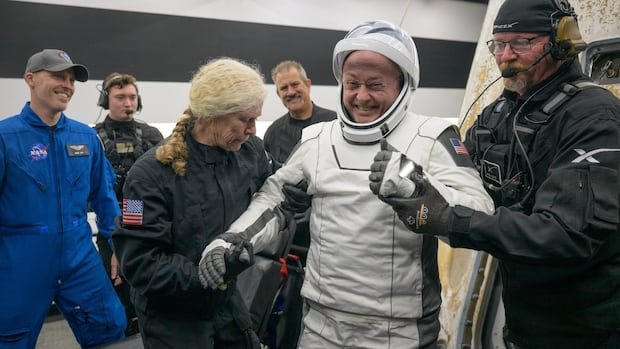
While serious health crises in space are uncommon, an unprecedented medical evacuation occurred in January 2026 on the International Space Station after astronaut Mike Finke developed a non-life-threatening condition requiring ground-based treatment. The cause of the medical emergency remains undisclosed for privacy reasons, but Finke is reportedly recovering well.
Close calls in space prompt thorough investigations to enhance our comprehension of how microgravity impacts human health. For a recent segment on “Quirks & Quarks,” a scientist from Simon Fraser University discussed research on blood clot formation in microgravity, inspired by a female astronaut’s clot discovery in 2019.
The study revealed that blood clots forming in microgravity are more resilient compared to those on Earth, particularly in female astronauts. Following this, researchers explored potential sex-related differences in blood clotting in a weightless environment.
Both Finke and the unnamed female astronaut received diagnoses using a portable ultrasound device, a vital tool for routine health checks in space. However, space constraints limit the equipment available, underscoring the challenges astronauts face when encountering health issues.
Weightlessness poses risks like blood clots and vision alterations in astronauts. Fluid shifts in microgravity lead to conditions like “puffy faces and bird legs,” potentially exacerbating the threat of blood clots reaching vital organs. Vision changes, exemplified by Space-Associated Neuro-Ocular Syndrome (SANS), further underscore the health challenges in space.
Injuries are also commonplace in space, with musculoskeletal issues and exercise-related injuries documented in NASA studies. While the International Space Station carries medical supplies and skilled personnel, conditions necessitating open surgery, such as appendicitis, require immediate return to Earth due to the challenges posed by weightlessness.
Future space missions to the moon and Mars present logistical hurdles for timely medical interventions due to extended travel durations and communication delays. NASA’s Earth-Independent Medical Operations (EIMO) strategy aims to equip astronauts for autonomous health care during distant missions, emphasizing proactive health monitoring and self-sufficiency.
Despite meticulous planning, unforeseen medical emergencies or fatal injuries remain a possibility in space. NASA has contingency measures in place, including using a space suit as a makeshift body bag if an astronaut passes away in space, highlighting the inherent risks of space exploration.

