
At the conclusion of the successful Summer Olympics in Paris last year, David Shoemaker issued a clear warning. Canadians secured 27 medals in various sports such as swimming, beach volleyball, and track and field. The CEO of the Canadian Olympic Committee expressed concern that despite the country’s potential for greater achievements, athletes might not reach their full capabilities without increased support from the federal government.
Shoemaker emphasized the lack of core funding increment for the 62 federally-funded national sports organizations in the past 19 years. This stagnant funding situation has forced these organizations to operate with limited resources, hindering their ability to create a safe and inclusive sports environment that is desired by all stakeholders.
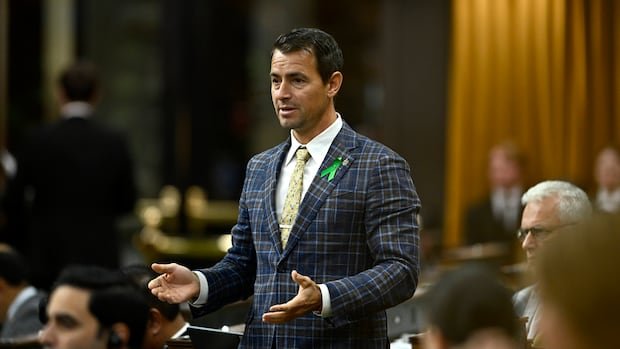
Nearly 10 months later, under the leadership of Prime Minister Mark Carney, a new government has taken office in Canada. Adam van Koeverden, a retired kayaker with four Olympic medals, including a gold in the 2004 Summer Games, has been appointed as the secretary of state for sport. This new role encompasses overseeing funding demands from sports organizations, with a pressing need for a $144 million increase to compensate for the lack of significant funding boosts over the past two decades.
Van Koeverden is also tasked with addressing the ongoing safe-sport crisis nationwide. The Future of Sport in Canada Commission is set to deliver its report in March, which will inform the government’s response to ensure a safe and supportive sports environment.
Furthermore, the new government aims to uphold the significance of sports in Canadian identity, especially during challenging times. The joint statement released by the Canadian Olympic Committee and Canadian Paralympic Committee underscores the crucial role of sports in uniting Canadians across geographical, linguistic, and political divides.
Looking at the sports landscape, Nathan Bombrys, CEO of Rugby Canada, sees an opportunity for the Canadian women’s rugby team to excel globally. Despite their high ranking and potential, the team faces fundraising challenges to support essential training needs, underscoring the financial constraints within the sport.
Olympic athletes like Philippe Marquis stress the critical importance of funding in sustaining both national sport organizations and athletes’ careers. The recent increase in living and training allowances under the Athlete Assistance Program in the 2024 federal budget was a positive step but may need further adjustments to keep pace with rising costs and inflation.
As van Koeverden assumes his role, he emphasizes the need for increased core funding for national sport organizations to support a thriving sports ecosystem in Canada. Advocating for funding at all levels, from grassroots initiatives to elite athlete development, remains a priority in nurturing future sports talents and sustaining competitive success.
The commitment to securing adequate funding for sports organizations and athletes is a shared goal among stakeholders, aiming to ensure Canada’s continued success in the international sporting arena.

