
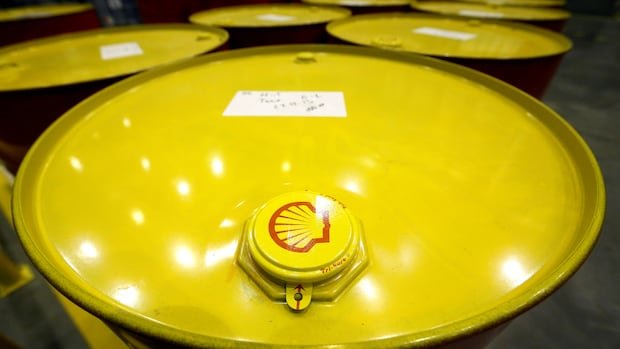
After divesting a significant portion of its Canadian assets almost ten years ago, Shell, a U.K.-based energy behemoth, is now broadening its footprint in Alberta and British Columbia with the acquisition of Calgary-headquartered ARC Resources for a hefty $22 billion. This move comes amidst a flurry of transactions in the Canadian oil and gas industry, as companies seek secure, cost-effective, and enduring sources of oil and natural gas following the disruptions caused by the U.S.-Iran conflict.
Shell’s investment in ARC potentially signifies the company’s intention to pour billions more into Canada by advancing an expansion that could amplify natural gas exports from the West Coast. This recent deal marks Shell’s largest acquisition in the past decade. ARC primarily focuses on natural gas production, boasting an average output of around 410,000 barrels of oil equivalent daily.
The transaction has garnered attention from industry analysts like BMO Capital Markets’ Jeremy McCrea, who views it as a signal of increasing interest from major players in investing in Canada. McCrea anticipates more such developments in the future, underscoring a shifting trend in the sector.
Shell was among several foreign firms that significantly downsized their presence in Canada or exited the market entirely, with the sale of most of its oilsands operations for $11 billion in 2017. However, in the last year, there has been a reversal in this pattern, with both domestic and international entities engaging in acquisitions in Western Canada.
In a statement, Shell’s CEO Wael Sawan emphasized the transaction’s significance in re-establishing Canada as a core focus for Shell. Factors driving renewed interest in Canada’s energy industry include abundant and cost-effective natural gas reserves and ongoing technological advancements in the oilsands, positioning it as one of North America’s most economical oil sources.
The federal government’s evolving energy policies and aspirations to become an energy hub have also played a role in attracting investment. Shell’s decision to ramp up operations in Canada underscores the country’s economic potential compared to other global regions.
Shell’s ownership stake in LNG Canada, a consortium behind the country’s inaugural liquefied natural gas export facility in Kitimat, serves as a strategic move to capitalize on the growing demand for LNG globally. The company, along with partners, is contemplating a Phase 2 expansion, indicative of further investment potential.
The acquisition of ARC is expected to bolster Shell’s natural gas production, enabling it to leverage the existing LNG Canada infrastructure and potential expansion plans. This aligns with a broader industry push towards LNG development in British Columbia, with multiple projects underway representing substantial capital investments.
Despite these positive developments, challenges persist in Canada’s energy sector, particularly related to expanding oil and gas export capacity. Pipeline construction hurdles, delays, and cost overruns have hindered progress, underscoring the need for sustained industry collaboration and government support.
The acquisition of ARC Resources by Shell not only marks one of the largest transactions in Canada in recent years but also stands out as one of the most significant globally since Chevron’s acquisition of Hess in 2023. As global energy supply disruptions persist, Western Canada’s abundant oil and natural gas reserves present an attractive opportunity for international companies seeking long-term resource stability.
In conclusion, Shell’s strategic move to acquire ARC Resources underscores the company’s confidence in Canada’s energy potential and signals a broader trend of resurgence in the country’s oil and gas industry.

