
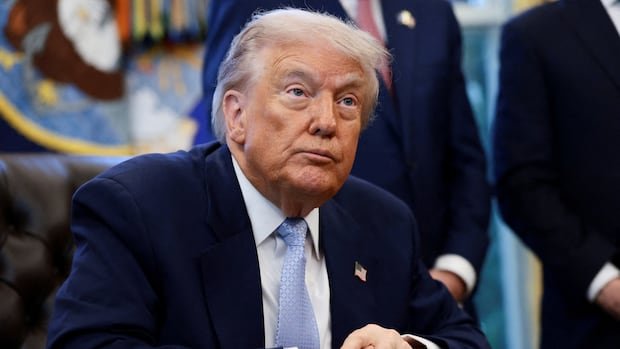
Ever since President Donald Trump made a significant shift on Sunday and called for Republicans to support the release of Jeffrey Epstein-related documents, it underscored his persistent struggle to distance himself from the story.
Trump has previously dismissed the entire narrative as a fabricated scheme by Democrats. However, following Epstein’s death in 2019, Trump’s stance evolved, alongside key law enforcement figures.
Epstein, facing charges of trafficking minors, died by suicide in August 2019 while in jail. Trump, who was in office at the time, insinuated that a past president should be investigated regarding Epstein’s activities on an island. Speculation arose, suggesting Epstein may have been murdered to conceal information, with some pointing fingers at both Clinton and Trump.
In November 2019, then-Attorney General William Barr confidently stated Epstein’s death was a suicide. Yet, in August 2020, Trump questioned this, particularly after Ghislaine Maxwell’s arrest, hinting at suspicions surrounding her boyfriend’s demise in jail.
Conspiracy theories gained traction, with figures like Dan Bongino and Kash Patel fueling speculation of a cover-up and demanding the public release of Epstein’s client list.
During his 2024 campaign, Trump hesitated when asked about releasing the Epstein files, expressing concerns about potential misinformation. Following his return to the presidency, Attorney General Pam Bondi disclosed the existence of an Epstein client list, hinting at incriminating evidence.
However, Bondi later claimed the Biden administration withheld crucial evidence, alleging a lack of transparency and honesty within the government.
In a turn of events, Bondi’s Justice Department announced in July that there was no Epstein client list and refused to release further pertinent files, contradicting earlier assurances.
Trump, at this point, criticized former supporters believing in Epstein conspiracy theories, branding them as “weaklings” and disavowing their backing. He aimed to discredit the allegations, denying the authenticity of a birthday letter linked to Epstein.
As inquiries intensified, Trump and his associates faced mounting pressure to clarify their evolving perspectives on the Epstein saga. Patel, in a congressional hearing, evaded direct responses regarding the release of Epstein-related information.
Trump, in a recent development, called for an investigation into Clinton’s connection with Epstein and renounced the Epstein narrative as a Democratic ploy. Surprisingly, after advocating against releasing all Epstein documents, he reversed course and endorsed their disclosure, emphasizing transparency and moving past what he labeled as a Democratic hoax.

