
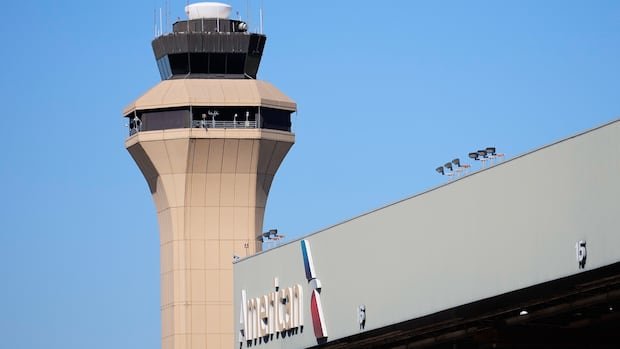
Airports in major cities across the United States, including New York, Los Angeles, and Chicago, are set to experience reduced flights starting this Friday due to the ongoing government shutdown. The Federal Aviation Administration (FAA) has announced a 10 percent reduction in air traffic across 40 key markets to ensure travel safety amid signs of strain among air traffic controllers.
The affected airports include major hubs like Atlanta, Denver, Dallas, Orlando, Miami, and San Francisco, with multiple airports in cities such as New York, Houston, and Chicago being impacted. The FAA, facing a funding lapse, has implemented these flight reductions to alleviate the pressure on unpaid air traffic controllers who have been increasingly absent from work.
As controllers continue to work without pay, airlines are expected to minimize disruptions for travelers. United Airlines, for example, plans to focus the flight cuts on smaller regional routes predominantly serviced by smaller aircraft like 737s. Passengers are advised to check for notifications of cancellations as airlines like United and Delta Air Lines offer refunds to passengers opting not to fly during this period.
Estimates suggest that up to 1,800 flights and over 268,000 seats could be affected by the reductions. The FAA’s decision has been described as unprecedented by agency administrator Bryan Bedford, who emphasized the need to address the staffing pressures affecting air traffic controllers. While the shutdown persists, the FAA will not fully resume normal operations until staffing levels stabilize.
Despite the impact on air travel, major airlines such as United, Southwest, and American are working to minimize disruptions for passengers while complying with the FAA’s directives. Calls to customer service lines indicate that passengers are seeking information about their flights, with airlines assuring that long-haul and hub-to-hub flights will not be significantly affected.
Industry stakeholders, including airlines, unions, and travel organizations, have been calling for an end to the government shutdown, which has now become the longest in U.S. history. Transportation Secretary Sean Duffy emphasized the importance of proactive measures to prevent potential chaos in the aviation sector as the shutdown continues to disrupt operations and financial stability for air traffic controllers.

