
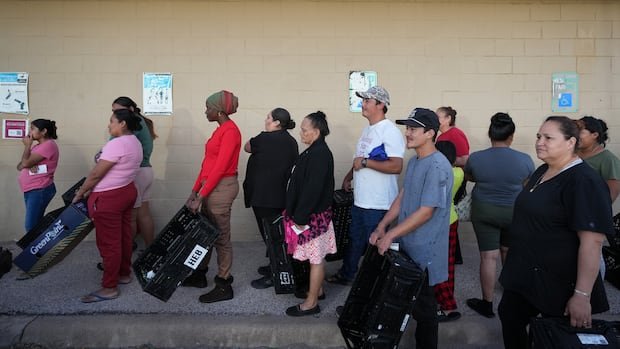
The ongoing government shutdown in the United States has now reached its 36th day, making it the longest in history. The shutdown has had a significant impact on the lives of millions of Americans, leading to cuts in federal programs, flight delays, and federal employees going without pay.
President Donald Trump has been adamant in his refusal to engage in negotiations with Democrats regarding their requests to maintain expiring health insurance subsidies until the government reopens. However, doubts linger among Democrats about the president’s intentions, especially after the administration limited food aid under the Supplemental Nutrition Assistance Program (SNAP) despite court orders to ensure funds are available to prevent hunger.
Trump attributed the recent losses of the Republican Party in off-year elections to the ongoing shutdown. He reiterated his call for Republicans to end the Senate filibuster to reopen the government, a move that Senate members have rejected.
The shutdown has caused disruptions to various government services, including food aid and child care programs. Hundreds of thousands of federal workers are either on furlough or working without pay.
Estimates suggest that the shutdown is costing the U.S. billions of dollars each week, with varying assessments ranging from $10 billion to $30 billion. Senate Majority Leader John Thune described it as the longest and most severe shutdown on record, urging Democrats to work towards a resolution.
Efforts are being made by senators from both parties to reach agreements on funding various government programs, with a focus on agricultural programs and military construction projects. The situation remains uncertain, with challenges expected in ensuring bipartisan support for a solution.
The impact of the shutdown extends to health care programs, with concerns over the expiration of Affordable Care Act subsidies. Negotiations between Republicans and Democrats are ongoing, but reaching a compromise is anticipated to be a lengthy process.
President Trump’s handling of the shutdown differs from his first term, during which a partial government closure occurred over border wall funding. The current shutdown raises broader concerns about the direction of the country, with senators pushing for a resolution to the health care deadlock.
While Trump has overseen the two longest shutdowns in U.S. history, the most consequential shutdown occurred in 1995-96. Notably, during that period, President Bill Clinton faced impeachment proceedings following a scandal involving an intern, which ultimately ended in his acquittal.

