
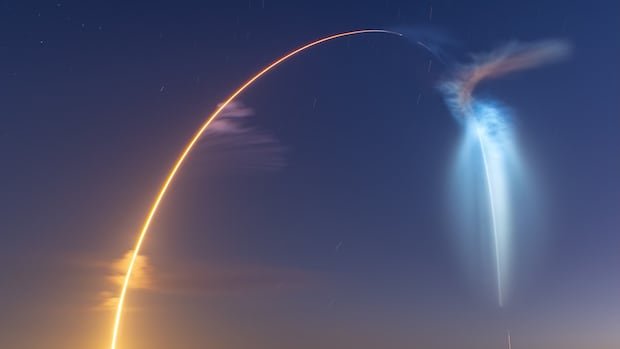
Most people tend to focus on short-term thinking rather than considering long-term issues like air pollution, deforestation, and emissions. This is why scientists are alarmed by a recent SpaceX proposal to launch one million satellites, which are essentially data centers, into Earth’s orbit. The potential consequences range from disrupting the natural night sky to impacting access to space and causing environmental harm to the atmosphere.
Currently, there are approximately 16,000 satellites orbiting Earth, with SpaceX accounting for over 8,000 of them. SpaceX is constantly launching and deorbiting satellites, with an average of more than two dozen satellites launched twice a week.
SpaceX aims to have around 40,000 Starlink satellites in orbit to provide global internet connectivity, even in remote areas. However, the increasing number of satellites poses a threat, especially considering the existing 140 million pieces of space debris that can endanger astronauts and satellite operations like GPS.
The scientific community is particularly concerned about the potential environmental impact of rocket launches on the atmosphere, including the deposition of black carbon and soot that could contribute to warming effects and ozone layer risks. The direct release of pollutants into the atmosphere during launches raises uncertainties about the long-term consequences, especially with the expected increase in rocket launches to support the deployment of millions of satellites.
SpaceX has submitted its proposal for the million-satellite project to the U.S. Federal Communications Commission (FCC), emphasizing the environmental benefits of orbiting data centers, such as reduced water usage and reliance on solar energy. However, public feedback on the plan has been predominantly against its implementation.
The proliferation of satellites not only poses risks to space operations but also affects astronomical observations and the natural night sky. The potential interference with observatories and the constant presence of satellite lights in the night sky have raised concerns among astronomers and the public. Despite efforts to address the brightness of satellites, the sheer scale of proposed satellite constellations from various entities, including China, underscores the urgent need for sustainable space practices to preserve the integrity of Earth’s orbit.

