
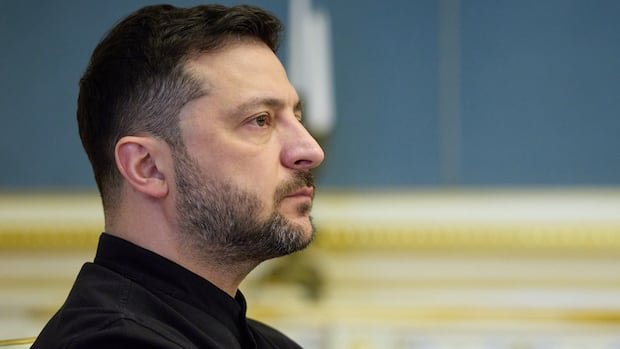
European Union officials cautioned Ukraine on Thursday that it must continue its efforts to combat corruption following a significant corruption scandal that could impact the country’s ability to secure financial assistance. Despite the ongoing scandal involving embezzlement and kickbacks at the state-owned nuclear power company, EU officials assured that aid will still be provided as Ukraine grapples with repelling Russia’s invasion.
German Chancellor Friedrich Merz emphasized European worries about corruption during a phone conversation with Ukrainian President Volodymyr Zelenskyy, whose administration has been embroiled in the scandal implicating a close associate of Zelenskyy. Merz’s office stated that he highlighted the German government’s expectation for Ukraine to vigorously continue fighting corruption and implementing reforms, especially in the rule of law sector.
Zelenskyy, in response, pledged “full transparency, ongoing support for independent anti-corruption bodies, and swift additional measures to regain the trust of the Ukrainian population, European allies, and international donors.”
Furthermore, a spokesperson from the European Commission stated that the discovery of the alleged kickback scheme indicates Ukraine’s progress in combating corruption as it strives to meet EU membership criteria. The spokesperson emphasized the significance of anti-corruption efforts for countries aspiring to join the EU, underscoring the necessity for sustained actions to combat corruption and uphold the rule of law.
Following the resignations of Ukraine’s justice and energy ministers amid the investigation into graft within the energy sector, the government terminated the vice president of Energoatom, the state-owned nuclear power company allegedly at the core of the kickback scheme. The heads of Energoatom’s finance, legal, and procurement departments, along with a consultant to the company’s president, were also relieved of their duties, as announced by Prime Minister Yuliia Svyrydenko.
Svyrydenko emphasized in a video statement that corruption is intolerable, particularly during the ongoing conflict when the country’s energy infrastructure faces constant threats from the enemy. The investigation has raised questions about the knowledge of senior officials regarding the scheme and has reignited concerns about Zelenskyy’s past attempts to limit anti-corruption oversight.
A Kyiv court has commenced hearings based on evidence from anti-corruption agencies, which conducted an extensive 15-month investigation resulting in multiple detentions and implicating others in a scheme amounting to approximately $100 million US.
European Commission President Ursula von der Leyen announced that the EU would disburse a $7 billion US loan to Ukraine and pledged additional financial support. She assured that the EU is exploring various avenues to provide more financial assistance to Ukraine, including utilizing frozen Russian assets, capital market fundraising, or contributions from EU member states.
Von der Leyen criticized Russian President Vladimir Putin’s attempt to prolong the conflict in Ukraine, calling for renewed efforts to counter Putin’s strategy and bring him to the negotiation table. Meanwhile, Ukraine’s top military commander, Gen. Oleksandr Syrskyi, visited troops in Pokrovsk in the eastern Donetsk region, outlining objectives to regain control of key areas while safeguarding logistical routes and creating new ones for troop support and medical evacuation.
Additionally, Ukraine announced the successful deployment of a domestically produced cruise missile, the FP-5, in strikes against multiple targets in Russian-occupied territories. The missile, known as the Flamingo missile due to its initial pink appearance from a manufacturing error, demonstrated Ukraine’s military capabilities in the ongoing conflict.
The developments underscore the escalating challenges facing Ukraine as it navigates political turmoil, external pressures, and military confrontations amid the broader regional dynamics involving Russia and the EU.

