
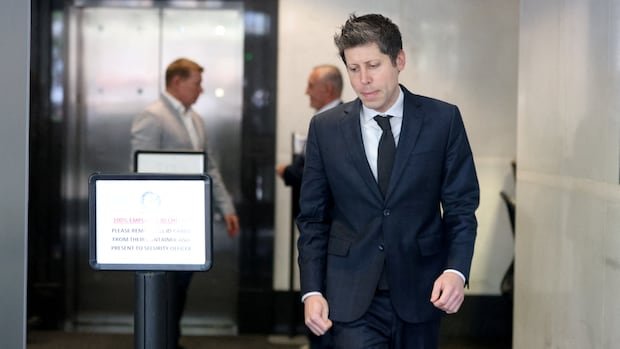
A legal battle between two billionaires has drawn attention due to its potential impact on the future of artificial intelligence development.
Elon Musk, the wealthiest individual globally, has accused OpenAI CEO Sam Altman of taking advantage of a charitable organization and is demanding his removal from the company’s leadership.
The trial concluded last week in Oakland, California, and the jury is set to deliberate this week, with U.S. District Judge Yvonne Gonzalez Rogers presiding over the case where Musk is seeking $150 billion in damages, alleging that OpenAI violated its founding agreement by transitioning into a for-profit entity.
The outcome of the court decision could have significant repercussions on the AI industry, according to Ebrahim Bagheri, a University of Toronto professor specializing in ethical AI development.
Bagheri noted the unforeseen growth and profitability of generative AI technologies since OpenAI’s inception, emphasizing that any structural changes within OpenAI could influence not only the company’s offerings but also impact other industry players like Microsoft.
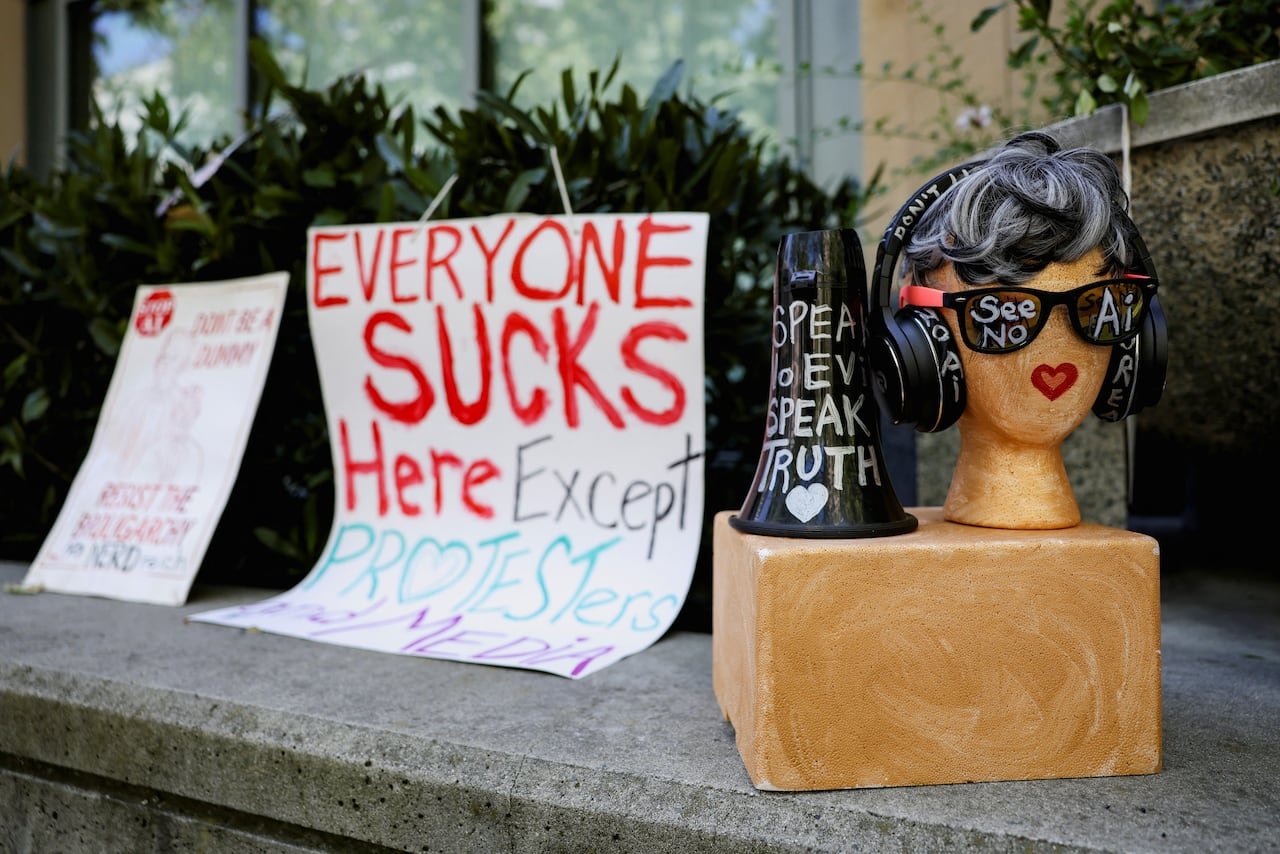
Throughout the trial, prominent figures from Silicon Valley testified while demonstrators outside the courthouse voiced their concerns about the ongoing legal dispute.
Catherine Bracy, CEO of TechEquity, observed a sense of disillusionment among the public following the trial, with many hoping for a resolution that would hold both parties accountable.
Here is a summary of the current state of the case as the jury prepares to deliberate.
‘The future of AI’
Originally established as a non-profit in 2015 by Musk, Altman, and others, OpenAI has transformed into a for-profit entity poised for a $1 trillion valuation upon going public. Musk aims to revert OpenAI to a non-profit status and remove its president Greg Brockman, who holds a significant stake in the company.
Musk’s allegations include claims that OpenAI coerced him into providing $38 million and received substantial investments from Microsoft and other entities. Seeking damages of approximately $150 billion, Musk is targeting both OpenAI and Microsoft, proposing the funds be directed to OpenAI’s non-profit division.
An email exchange from February 2023 revealed a rift between Musk and Altman leading up to the trial, with Musk emphasizing the stakes for civilization in their disagreement.
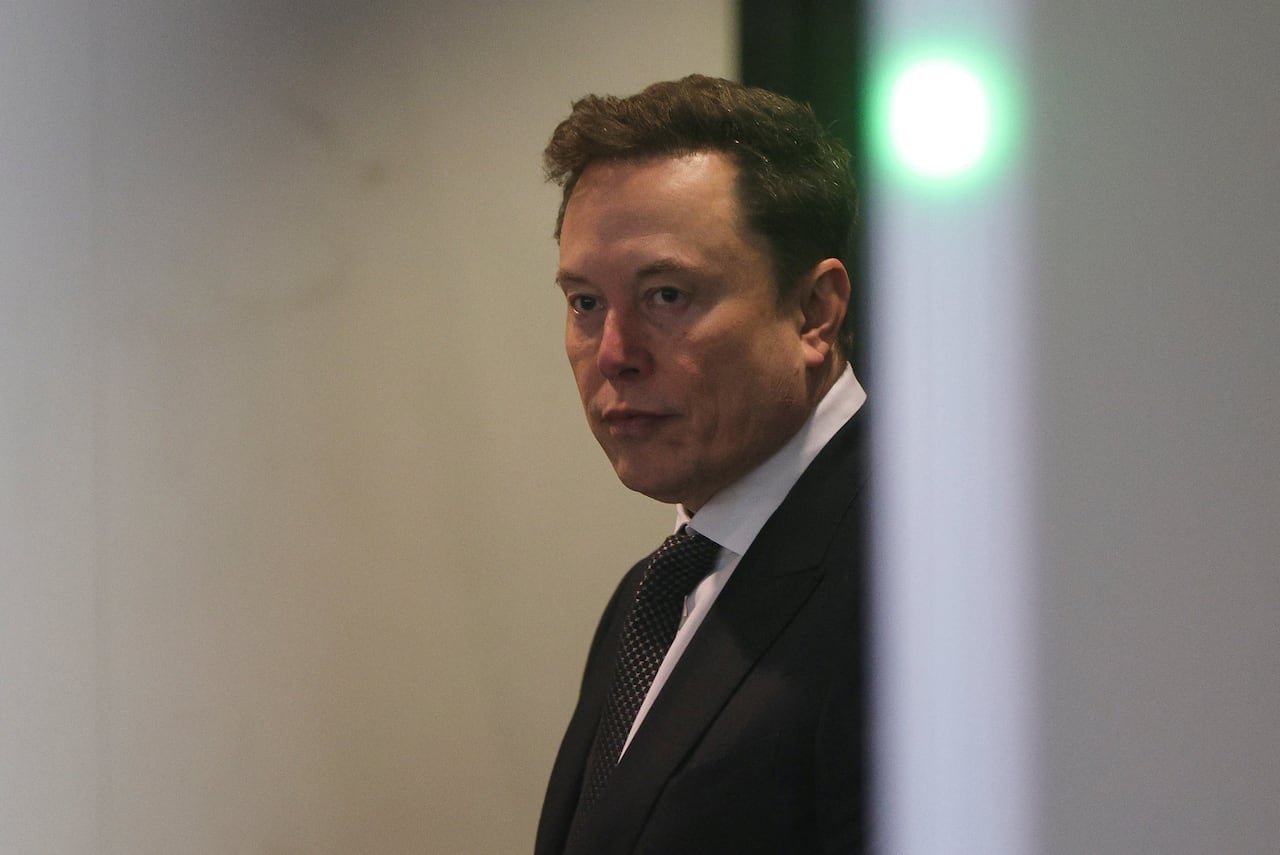
Musk’s motivations have come under scrutiny, with concerns raised about potential conflicts of interest given his ownership of the for-profit AI company xAI, which is also considering an IPO under SpaceX, potentially positioning him as a competitor to OpenAI.
‘Ethical considerations’
Musk’s testimony during the trial portrayed OpenAI as a charitable endeavor, despite its original formation not explicitly as such, alleging that Altman and Brockman deviated from the organization’s initial mission.
Musk cited a conversation with Google’s Larry Page as the catalyst for his involvement in promoting non-profit AI initiatives, emphasizing the ethical implications of AI development on humanity.
At one point, Musk was cautioned by the judge to refrain from referencing sci-fi scenarios like those depicted in The Terminator, highlighting concerns about the potential risks associated with advanced AI technologies.
Pre-trial tensions emerged regarding the existential threats posed by AI, with Musk’s legal team underscoring the gravity of the issue, contrasting with OpenAI’s perspective on the matter.
‘Leadership challenges’
Altman faced intense scrutiny during the trial, especially following a critical profile in The New Yorker that questioned his integrity.
Under cross-examination,

