
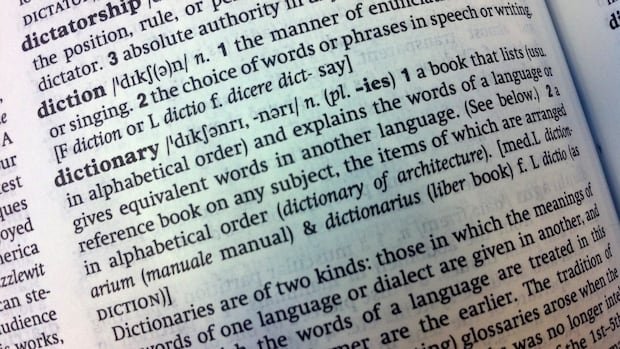
Cambridge Dictionary has named “parasocial” as its word of 2025, highlighting the growing trend of one-sided connections people form with individuals they do not personally know, such as celebrities, influencers, fictional characters, or AI chatbots. This term gained popularity due to increased digital communication and AI technology, making it easier for individuals to establish these connections.
Colin McIntosh, editor of the Cambridge Dictionary, noted the widespread engagement in parasocial relationships and the significant interest in their emergence. The Cambridge Dictionary website witnessed a surge in searches for the term “parasocial.”
Searches for “parasocial” soared in June after streamer IShowSpeed blocked a fan who had created an emotional thread dedicated to the streamer, claiming to be their top parasocial follower. Additionally, the news of Taylor Swift’s engagement to football star Travis Kelce generated intense emotions among fans, prompting discussions about parasocial relationships with celebrities.
The use of AI chatbots as companions for friendship or romantic involvement sparked further debate about people’s reliance on algorithms for emotional connection, leading the dictionary to update the definition of “parasocial” to include AI interactions.
Although the concept of parasocial relationships dates back to the 1950s, Cambridge Dictionary identified Lord Byron as one of the earliest celebrities with whom fans formed parasocial connections. Psychologist Veronica Lamarche highlighted the distinction between casual interest in celebrities and genuine parasocial relationships, emphasizing that the latter makes individuals feel intimately connected to the celebrity’s world.
Parasocial relationships, while often perceived negatively, can serve as a valuable supplement to social lives, especially during periods of loneliness or when traditional social networks are unavailable. Lamarche emphasized that while these connections are beneficial, they should not replace close personal relationships.
Cambridge Dictionary also considered “pseudonymization” and “memeify” as runners-up for word of the year, with the former referring to protecting personal information by encoding it into numerical form and the latter describing the transformation of events or individuals into internet memes. Additionally, dictionary.com selected “6-7” as its word of the year, a term used to express uncertainty or indifference, particularly popular among school-aged children.

