
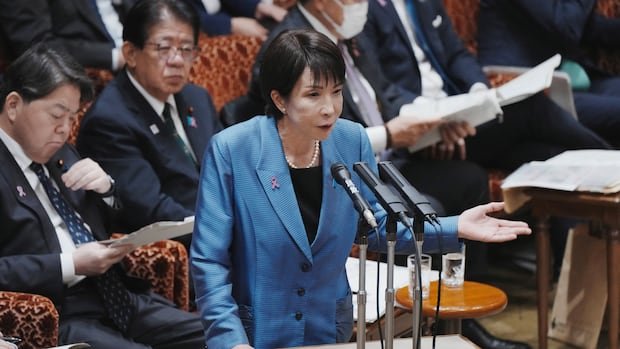
Japan has issued a warning to its citizens in China to increase safety measures and avoid crowded areas amidst escalating tensions between the two largest economies in Asia over remarks made by Japanese Prime Minister Sanae Takaichi regarding Taiwan.
Takaichi triggered a significant diplomatic conflict by stating to Japanese lawmakers that a Chinese attack on Taiwan, which poses a threat to Japan’s survival, could lead to a military response, marking the most serious clash in years.
The conflict has the potential to negatively impact Japan’s economy as Beijing has advised its citizens against traveling to Japan. Chinese tourists constitute nearly a quarter of all visitors to Japan, according to official data, leading to a sharp decline in tourism-related stocks in Japan.
Over 10 Chinese airlines, including Air China, China Eastern Airlines, and China Southern Airlines, have offered refunds for flights bound for Japan until December 31. Additionally, Sichuan Airlines has suspended plans for a Chengdu-Sapporo route at least until March, as reported by state media.
Efforts to ease tensions were made as a senior Japanese official met with his Chinese counterpart in Beijing on Tuesday, although a resolution did not seem imminent.
In her address to a parliamentary committee on November 7, Takaichi highlighted scenarios that might prompt a military response from Japan, citing a Chinese naval blockade or actions against Taiwan as examples. Her stance was more forceful compared to previous prime ministers who expressed concerns about China’s threat to Taiwan but refrained from publicizing Japan’s potential response.
Amid calls from China for Takaichi to retract her statements, Japan’s top government spokesperson, Minoru Kihara, indicated that Tokyo had no intention of doing so. He emphasized that the government’s position remained unchanged and hoped for a peaceful resolution to Taiwan-related issues through dialogue.
The diplomatic tension also impacted cultural exchanges, with film distributors in China suspending the screening of Japanese movies. Notably, the screening of upcoming releases such as Crayon Shin-chan the Movie: Super Hot! Scorching Kasukabe Dancers and Cells at Work! in mainland China has been delayed.
Apart from the tourism sector, Japan relies heavily on China for the supply of essential minerals used in various industries. Japan’s economic security minister, Kimi Onoda, cautioned against overdependence on countries resorting to economic coercion, emphasizing the need to diversify supply chains to mitigate risks.
Despite the diplomatic strains, the heads of Japan’s three business federations urged dialogue to resolve the tensions. Taiwan’s proximity to Japan and its strategic importance in trade routes have added complexity to the situation, with the United States reiterating its commitment to defending Japan, including territories like the Senkaku Islands in the East China Sea, claimed by both Japan and China.
The U.S. ambassador to Japan, George Glass, affirmed the U.S.’s dedication to Japan’s defense, dismissing Chinese coast guard activities around the disputed islands. In response, the Chinese Foreign Ministry labeled Glass’s remarks as a “political show with ulterior motives.”

