
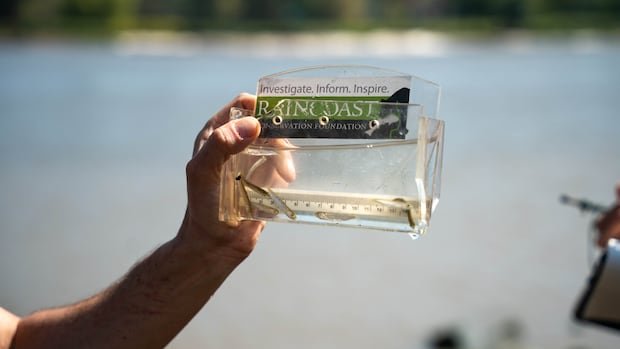
Juvenile chinook salmon in the Fraser River estuary have been found to contain a variety of chemicals, including pharmaceuticals and flame retardants, as per a recent study. The research, conducted between 2019 and 2021, revealed over 80 contaminants in the salmon tissue alone, with industrial and wastewater sites upstream believed to be the primary sources. Water samples from the salmon habitat also showed traces of 130 contaminants.
The presence of these chemicals could potentially impact the growth, behavior, and overall health of the chinook salmon, according to the research team. David Scott, the lower Fraser research and restoration director at the Raincoast Conservation Foundation (RCF), highlighted the concerning link between wastewater and fish contamination, citing pollutants ranging from pharmaceuticals to pesticides and flame retardants.
The study focused on the Harrison River chinook stock developing in the Fraser River estuary, with samples collected from multiple sites. Out of the chemicals identified, 16 were classified as “priority” contaminants, including organic chemicals and pharmaceuticals. Notably, the flame retardant PBDE-penta-total was detected in salmon tissue samples, while other priority contaminants like cocaine and pesticides were found in the habitat water samples.
Furthermore, eight additional “watchlist” chemicals, posing elevated biological risks, were found in the salmon tissue samples, including pesticides and pharmaceuticals. The study, conducted in collaboration with the Raincoast Conservation Foundation and Simon Fraser University, was primarily funded by the Department of Fisheries and Oceans.
Tanya Brown, a study co-author and assistant professor at Simon Fraser University, emphasized the potential exposure of fish to additional untested chemicals beyond the organic compounds assessed in the research. She expressed alarm at the combined effects of the various chemicals on the fish and called for increased monitoring and concern over the vast number of chemicals present in the marketplace.
Similar research in Washington state’s Puget Sound has shown the inhibitory effects of synthetic organic chemicals on chinook salmon growth. Researchers have been monitoring contaminants in fish habitat in Puget Sound for over three decades. The implications of these findings extend to the broader ecosystem, as chinook salmon, contaminated with these chemicals, serve as a food source for southern resident killer whales, which are known to have high contaminant levels.
The excessive organic chemical loads found in Puget Sound chinook salmon have surpassed human health thresholds set by the Washington State Department of Health. Scientists on both sides of the border have highlighted the need for better management of chemicals, whether through public policies or individual actions. Taking responsibility for proper disposal of pharmaceuticals is one actionable step individuals can take to minimize chemical contamination in the environment.
Overall, the research underscores the urgent need to address the issue of chemical contamination in fish populations and its potential ripple effects across ecosystems and human health.

