
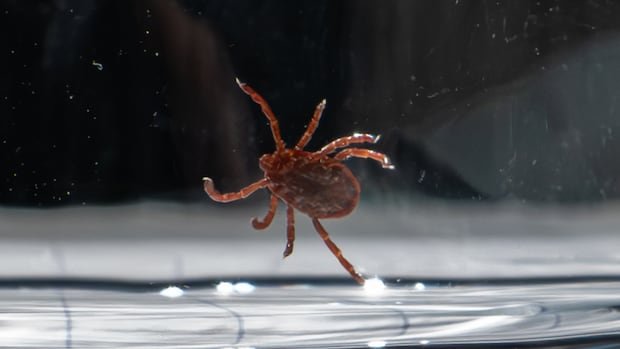
Nicoletta Faraone, an associate professor of chemistry, is excited about the opportunity to head the Canadian Tick Research and Innovation Centre at Acadia University, despite the common aversion to working with ticks. The upcoming center will focus on breeding ticks, testing repellents, and researching tick-borne diseases, filling a crucial gap in Canadian research facilities.
Faraone emphasizes the importance of this initiative for public health, particularly in Nova Scotia, which has the highest tick population per capita in the country. By studying lab-bred ticks, researchers can ensure they are free from diseases, a crucial aspect of their work.
The new Canadian Tick Research and Innovation Centre will be the first of its kind in Canada, addressing the need for a dedicated facility. Currently, the only known tick-breeding facility in North America is at Oklahoma State University, where ticks are sold for $5 each.
The team at Acadia University plans to open the research center officially in the spring. However, building up the tick stocks and commencing work will take approximately a year. The center aims to work with local tick strains, such as blacklegged and dog ticks, to make the research more relevant to Canadian public health.
Funding for the project faced obstacles initially, but a donation of $755,000 from Peter and Susan Gordon from Ontario revived the project. Faraone hopes to have three full-time staff members at the tickery eventually, with plans to make it financially self-sufficient by selling ticks within five years.
Luís Anholeto, a post-doctoral fellow in the chemistry department, will serve as the lab manager. Anholeto expresses enthusiasm for the opportunity to work with ticks and aims to contribute to preventing the spread of tick-borne diseases.
The opening of the Canadian Tick Research and Innovation Centre signifies a significant step forward in tick-related research in Canada, providing valuable insights into tick control and public health protection.

