
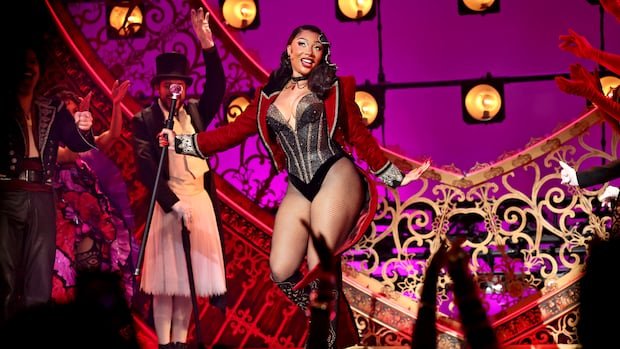
Broadway stands as the epitome of live theatre, a place where skilled actors, unique narratives, and daring creativity converge in the spotlight. In recent times, an increasing trend is the presence of celebrities in Broadway productions, many of whom do not come from traditional theatre backgrounds. Notable instances include Bob Odenkirk and comedian Bill Burr in “Glengarry Glen Ross,” rapper Megan Thee Stallion in “Moulin Rouge!,” and Kim Kardashian producing the prison drama “The Fear of 13.”
Moreover, pop star Pink is set to host this year’s Tony Awards, often dubbed the theatre world’s equivalent of the Oscars. While this celebrity influx can be thrilling for audiences, it prompts a fundamental question: Are celebrities reshaping the essence of Broadway?
The shift primarily reflects a pragmatic aspect – finances. Mounting a Broadway show has always been a costly endeavor, with production expenses nearly doubling over the past decade, accompanied by escalating ticket prices. In this high-stakes landscape, casting celebrities provides a sense of assurance, as renowned actors bring in their fanbases, media buzz, and cultural prominence that can directly translate into ticket sales.
A 2022 study by Kyle Maclean and Fredrik Odegaard, from Western University’s Ivey Business School, explored the impact of celebrities on Broadway revenue. The research analyzed 290 shows spanning from 2009 to 2015, focusing on celebrities, Tony Award-winning actors, and those fitting both categories to discern the key factor driving revenue growth. The study conclusively revealed that the “well-known factor” of a celebrity significantly boosted revenue.
Chris Peterson, the founder of OnStage Blog, acknowledges the potential of a celebrity to elevate a production, citing examples like movie actor Maya Rudolph in “Oh, Mary!” Nevertheless, he notes a shift in audience expectations towards entertainment rather than artistic innovation when celebrities are involved.
While some celebrities have garnered critical acclaim on Broadway, the financial implications remain complex. Although productions featuring celebrities often witness a rise in revenue, it does not automatically ensure cost recovery. Star power may attract audiences, but financial sustainability is not guaranteed.
The prevalence of non-theatre personalities has led to a decline in original musicals, with the majority of current Broadway offerings being adaptations from existing media. This trend allows celebrities more opportunities to engage in plays, which demand less time commitment compared to musicals.
In today’s Broadway landscape, the presence of recognizable names in familiar narratives aligns with audience preferences for guaranteed enjoyment and reduced risk. Casting celebrities is part of a strategic approach to cater to consumer expectations and minimize uncertainties.
Looking ahead, Peterson envisions a potential shift towards an online model in the theatre industry within the next five to ten years, emphasizing streaming platforms. This transformation may impact both Broadway and regional theatres, influencing the production choices and creative landscape of the theatrical world.
In summary, the integration of celebrities into Broadway productions underscores a dynamic interplay between entertainment, finance, and audience expectations, shaping the evolving landscape of live theatre.

