
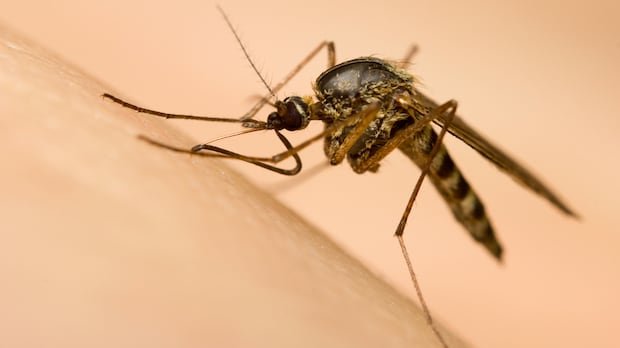
Recent heavy rainfall in Edmonton has resulted in a surge of mosquitoes that are gearing up to feast on blood. Following a month of unprecedented rain in the area, swarms of freshly-hatched mosquitoes are set to populate the region. Mike Jenkins, a senior scientist and pest management coordinator for the City of Edmonton, noted that mosquito populations in the spring were already at their highest levels in years. The combination of heavy rains in early June and a severe downpour over the past weekend is expected to lead to a significant increase in mosquito numbers.
Due to the saturated ground from the persistent rainfall, temporary habitats for mosquito breeding are forming rapidly. This could result in multiple generations of mosquitoes coexisting. The prolonged drought in Edmonton has caused dormant mosquito eggs to be activated by the recent wet conditions, with female mosquitoes preparing to draw blood within a week. The potential for a substantial mosquito population increase looms as more rain is anticipated.
While the mosquito population has been relatively low due to past dry spells, the recent resurgence poses a threat. City crews are actively targeting known breeding grounds to control the mosquito population, focusing on areas like roadside ditches and swampy regions near parks and trails. The program aims to eliminate larvae before they hatch, primarily targeting species capable of carrying diseases like the West Nile virus.
Residents are advised to cover up and eliminate any standing water on their properties to reduce mosquito breeding grounds. The arrival of a new mosquito species, known as Culex pipiens, in Edmonton poses a health risk as it is a carrier of the West Nile virus. The city’s control program emphasizes larval treatment over adult mosquito spraying to mitigate disease transmission risks. With the mosquito population steadily increasing, the need for proactive measures to prevent bites and potential diseases remains crucial.

