
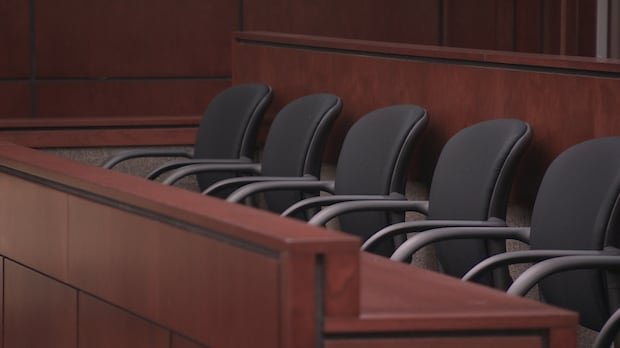
The Justice Department in the Northwest Territories is planning to introduce a support program for jury members within the next year. This initiative comes after reports from a recent murder trial in the region revealed that some jurors experienced significant stress and anxiety while deliberating the case, leading to mental and emotional breakdowns, as well as physical symptoms like headaches, nausea, and vomiting.
The trial in question involved Zakk Lafferty, who faced charges of second-degree murder in the 2023 death of a teenager in Behchokǫ, N.W.T. However, the trial ended in a mistrial as the jury could not reach a unanimous decision. The government currently offers the Employee Assistance Program (EAP) to provide jurors with short-term mental health support, but a more permanent solution is being sought by the Department of Justice.
Although there is no specific data on the frequency of mental and physical health impacts on N.W.T. jurors, a 2018 report by the federal standing committee on justice and human rights highlighted the need for enhanced support for jurors across Canada. The report recommended various measures to improve juror well-being, such as providing informational materials, debriefing sessions, psychological support post-trial, and fair compensation reflecting the cost of living for jurors.
Former juror Mark Farrant, who founded the Canadian Juries Commission, emphasized the challenges faced by jurors, including the lack of in-trial support, the stress of deliberations, and economic pressures. While some provinces have post-trial mental health programs, the lack of in-trial support remains a concern, as jurors are often left to manage their experiences alone.
Farrant also pointed out the emotional toll of jury deliberations, where jurors may feel shame and guilt, along with the burden of decision-making. Economic consequences, such as loss of income due to jury duty, further impact jurors, especially in regions like the N.W.T. where jurors are paid below the minimum wage.
Despite progress in jury support services, Farrant stressed the need for continued improvement to ensure the well-being of jurors who fulfill their civic duty. He highlighted the importance of caring for jurors who face distressing trials and challenging circumstances, emphasizing the responsibility to support them after their service ends.

