
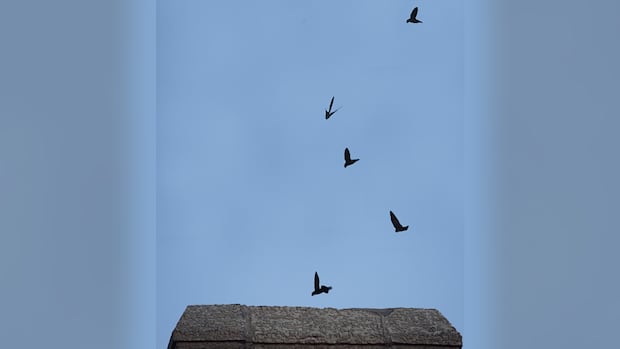
This spring, peculiar metallic sounds began to emerge.
Nettie and Thomas Rempel-Ong started hearing swift, whispering noises resembling insect chatter.
These sounds were originating from within their home.
“My wife and I had a moment where we thought, ‘We might need to get in touch with someone about this,'” Rempel-Ong remarked while standing in his yard, looking up at a four-meter-high brick chimney that jutted from his roof.
“We discovered that a threatened species resides in that chimney.”
They found themselves hosting an unexpected group of inhabitants in their 91-year-old residence located in Winnipeg’s Old Tuxedo area — specifically, chimney swifts, a migratory bird species designated as threatened under the federal Species at Risk Act.
Rempel-Ong, aged 40, is still trying to grasp the implications of hosting a threatened species, but he has already taken to affectionately referring to these “musical roommates” as his “swifties,” much to his young daughter’s chagrin.
A more common and less awkward nickname is “flying cigar,” attributed to the bird’s stout, cylindrical shape paired with its elongated wings.
Since 1970, chimney swift numbers have plummeted by 88 percent, according to survey findings.
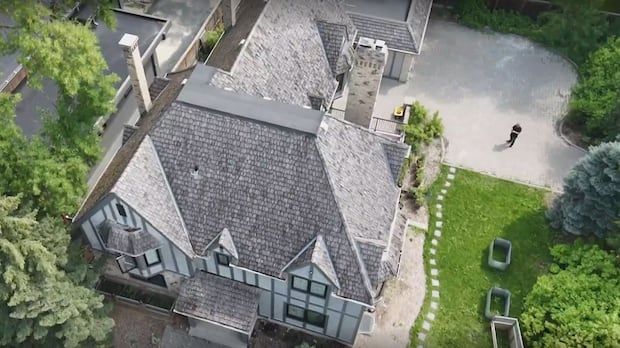
The Rempel-Ongs’ dwelling in Winnipeg’s Old Tuxedo area now also accommodates chimney swifts, a threatened migratory bird species in Canada.
The reliance of these wild birds on artificial structures emitting smoke and ash can be traced back to European colonization, urban expansion, and forestry practices.
Before colonization, chimney swifts in North America nested in ancient, leafy trees, often dead or dying, with hollows spacious enough for raising their young during the summer.
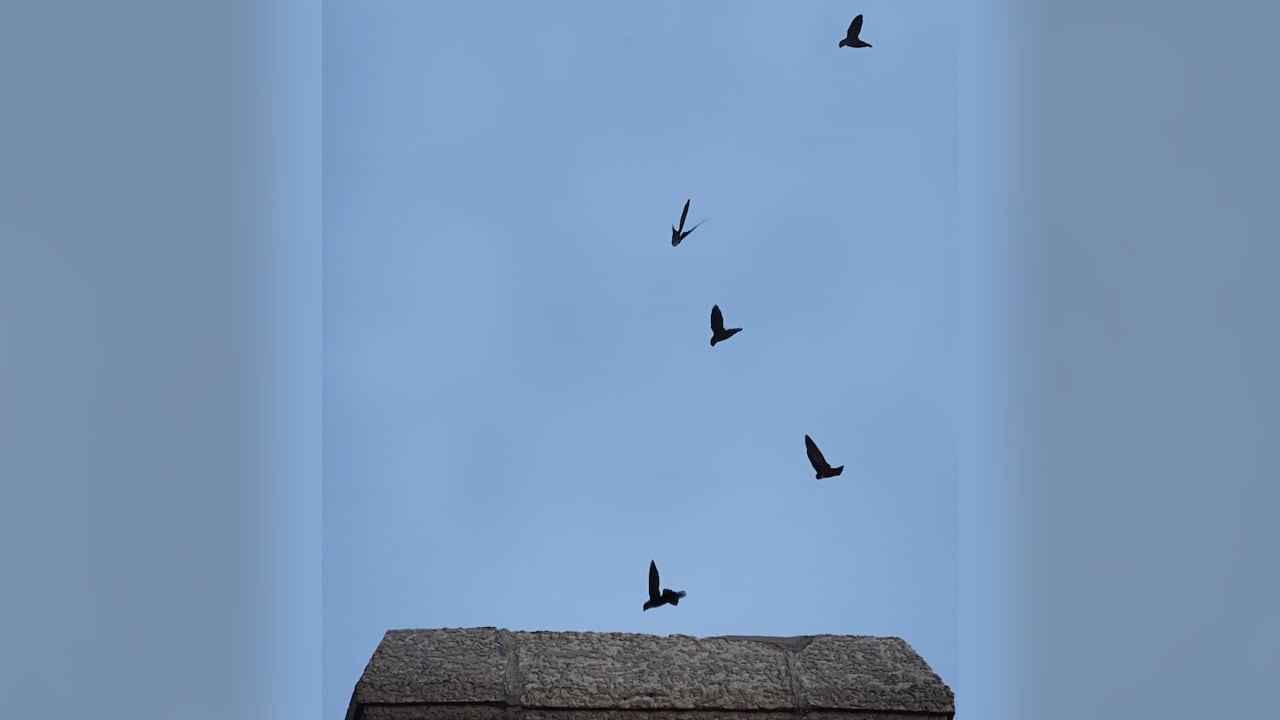
A 2015 image captures chimney swifts diving into a Winnipeg chimney. (Christian Artuso)
They would construct nests by binding twigs together with their saliva and attaching them vertically inside a deep tree cavity.
Deforestation and land clearing for urban development and agriculture significantly reduced their natural habitat.
However, the birds quickly adapted.
The inner surfaces of brick smokestacks and chimneys provided similar conditions for them to attach their stick-and-saliva nests.
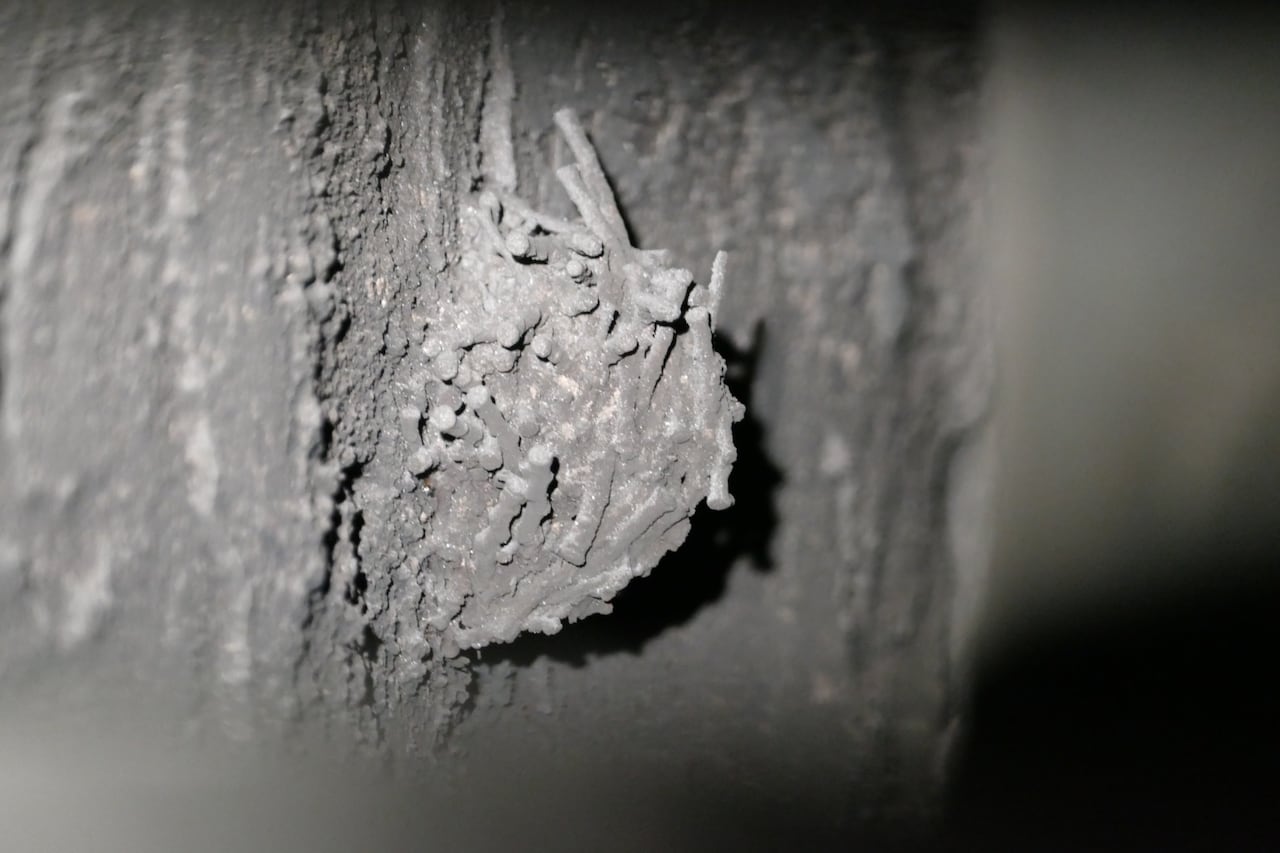
The Manitoba Chimney Swift Initiative confirmed swifts were nesting in the chimney of this River Heights home in 2016. (Tyson Koschik/CBC)
At one time, many specialists thought that the influx of settlers may have actually increased swift populations in North America due to an abundance of suitable chimneys for nesting.
However, that hypothesis did not prove to be accurate.
Subsequent studies indicate that the rise in chimneys across the continent did not keep up with the rate at which vast old growth forests were being cut down.
In recent decades, the style of chimneys that swifts depend on has become less common in modern architecture.

The chimney belonging to the Rempel-Ongs rises approximately four meters above their Old Tuxedo residence. (Bryce Hoye/CBC)
The closure or demolition of large church chimneys that once acted as communal resting places has had a detrimental effect, as has the alteration or sealing of residential chimneys in homes like that of the Rempel-Ongs.
Another factor contributing to their declining numbers is related to insects.
Chimney swifts belong to the second-most endangered category of birds in Canada, known as aerial insectivores. As their name implies, they consume flying insects, including mosquitoes and beetles, the populations of which have seen reductions linked to DDT pesticide usage.
These birds are disappearing at a quicker rate in their northern habitats in Canada compared to the U.S., potentially due to climate change, according to Environment and Climate Change Canada.

Mackenzie Glover, co-ordinator of the Manitoba Chimney Swift Initiative, outside the Rempel Ongs’ residence on Tuesday. (Bryce Hoye/CBC)
“Swifts are under considerable stress due to habitat loss, dwindling insect populations, and climate change,” stated Mackenzie Glover, co-ordinator of the Manitoba Chimney Swift Initiative.
“We aim to protect them as much as we can.”
While the Rempel-Ongs were trying to figure out what was residing in their chimney, they came across the initiative.
Nettie reached out to Glover, who is knowledgeable in ecological restoration and newly appointed to lead the swift initiative.
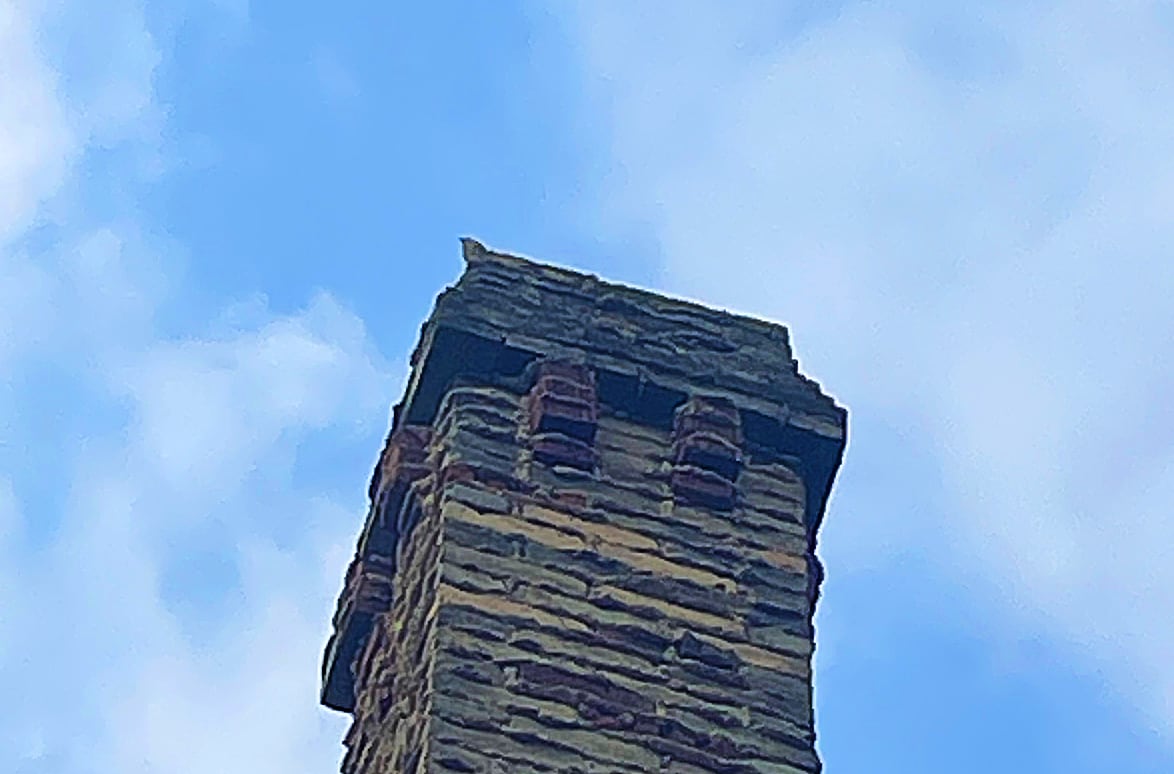
A chimney swift rests on the edge of the chimney towering above the Rempel Ongs’ residence on July 22. (Submitted by Thomas Rempel Ong)
She conducted a site visit and observed the Rempel-Ongs’ chimney from her vehicle for an hour.
“I witnessed one dive right in — very assured entry,” Glover noted.
This observation was sufficient to grant the Rempel-Ong home protected status under the federal Species at Risk and Migratory Bird Convention acts.
Now celebrating its 20th anniversary, the Manitoba Chimney Swift Initiative has assisted in cataloging approximately 400 potential chimney habitats throughout the province, from The Pas in the north to Emerson at the Canada-U.S. border in the south.
“It’s quite a task to keep track of all the chimneys we know they utilize. They constantly surprise us by using new chimneys, like this one we were unaware of,” Glover commented.
The Manitoba Chimney Swift Initiative’s map of chimney swift locations:
During the autumn, Glover and her colleagues conduct chimney cleanouts, where they frequently recover nesting materials, droppings, and eggshells to assess the nesting success of the swifts. This information is then shared with researchers who periodically update recovery strategies.
Homeowners receive financial assistance and other resources to clean, maintain, or repair their chimneys through the chimney swift initiative.
According to federal regulations, it is illegal to kill, capture, injure, or harass these birds, or to disturb their nests or eggs without authorization.
Certain activities, such as chimney cleaning or repairs, can be performed without a permit once the birds have migrated for the winter and before their return in the spring.
Glover and her team are also assisting the Rempel-Ongs in unsealing and refurbishing a second chimney on their property, with the hope of enticing swifts when they return to roost next year.
“I feel optimistic that we’re raising awareness, and that more people are getting involved, and individuals like Thomas and Nettie are thrilled to have swifts in their chimney,” Glover shared.
“They can consume up to 1,000 mosquitoes daily, so having them around is quite beneficial.”

Rempel Ong outside his home, with one of his chimneys in the background (Bryce Hoye/CBC)
Thomas Rempel-Ong appreciates this idea.
“You’re saying a fireplace I don’t utilize could be home to a threatened species that naturally consumes mosquitoes daily? This is Winnipeg … just tell me what to do, because I am more than willing to host mosquito-eating birds in my chimney,” he expressed.
“I suppose that’s my way of being a good neighbor.”
Listen to the call of the chimney swift:

